
Visiting HAUTE-RIVE in Neuchâtel
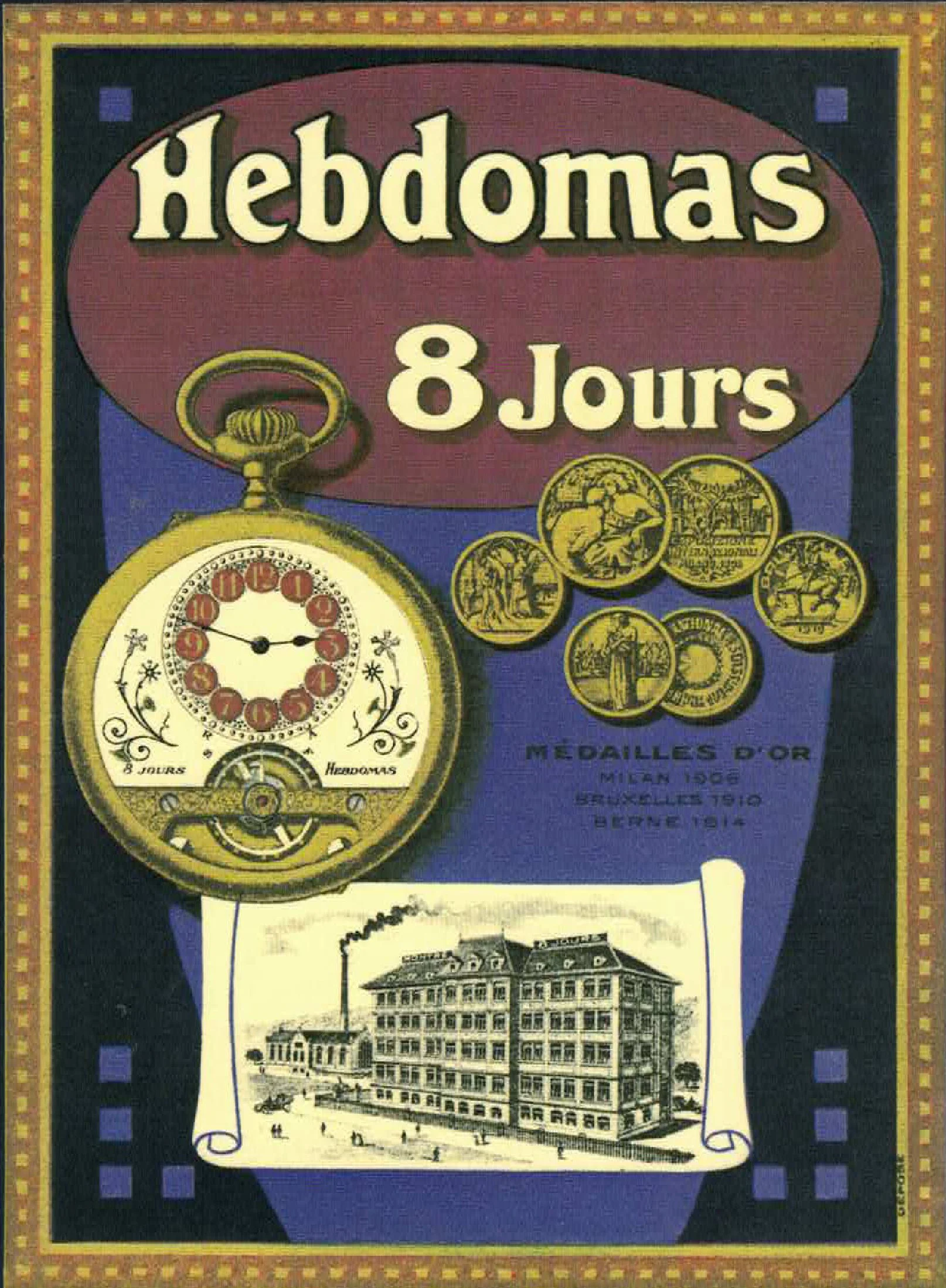
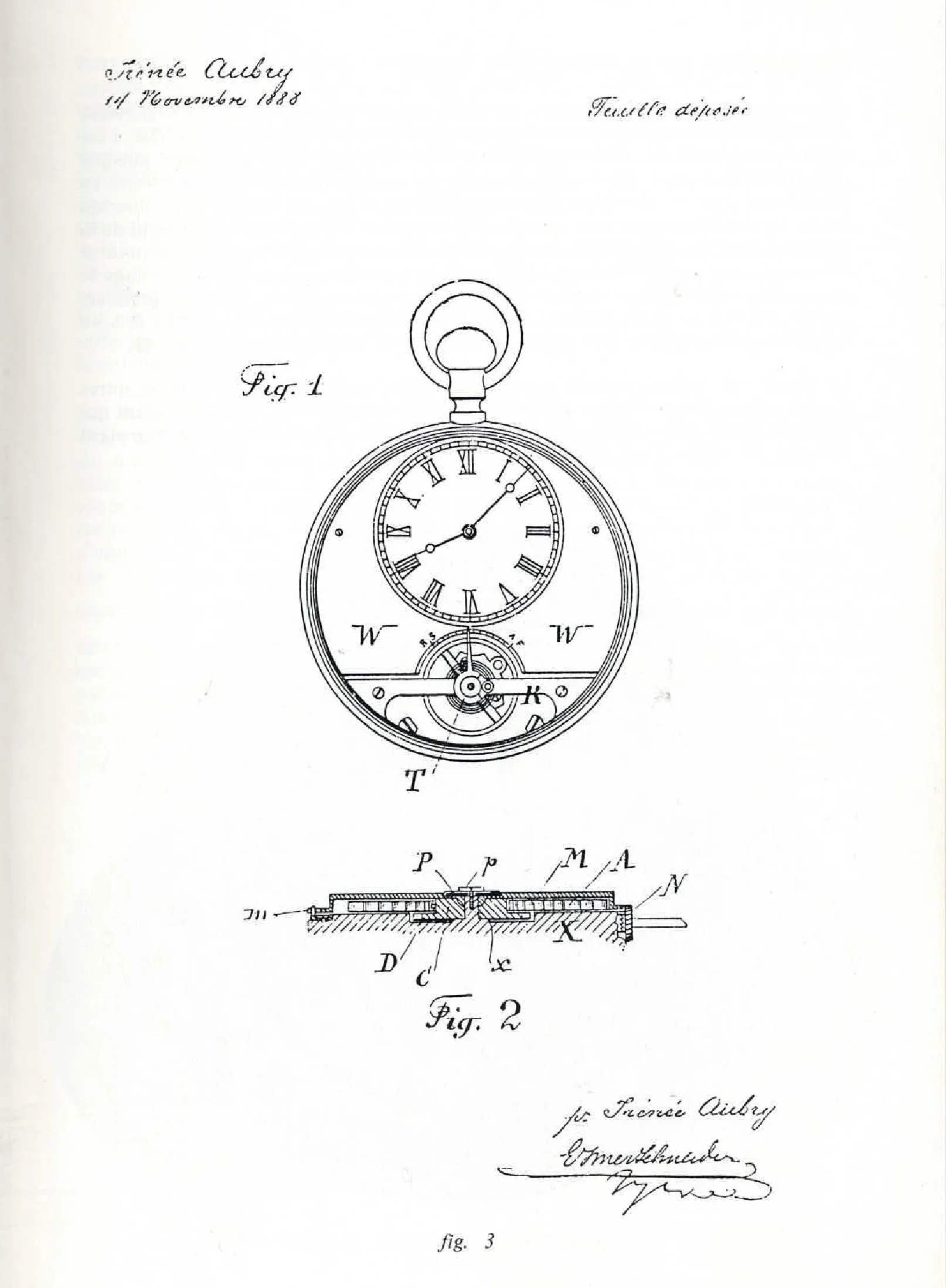
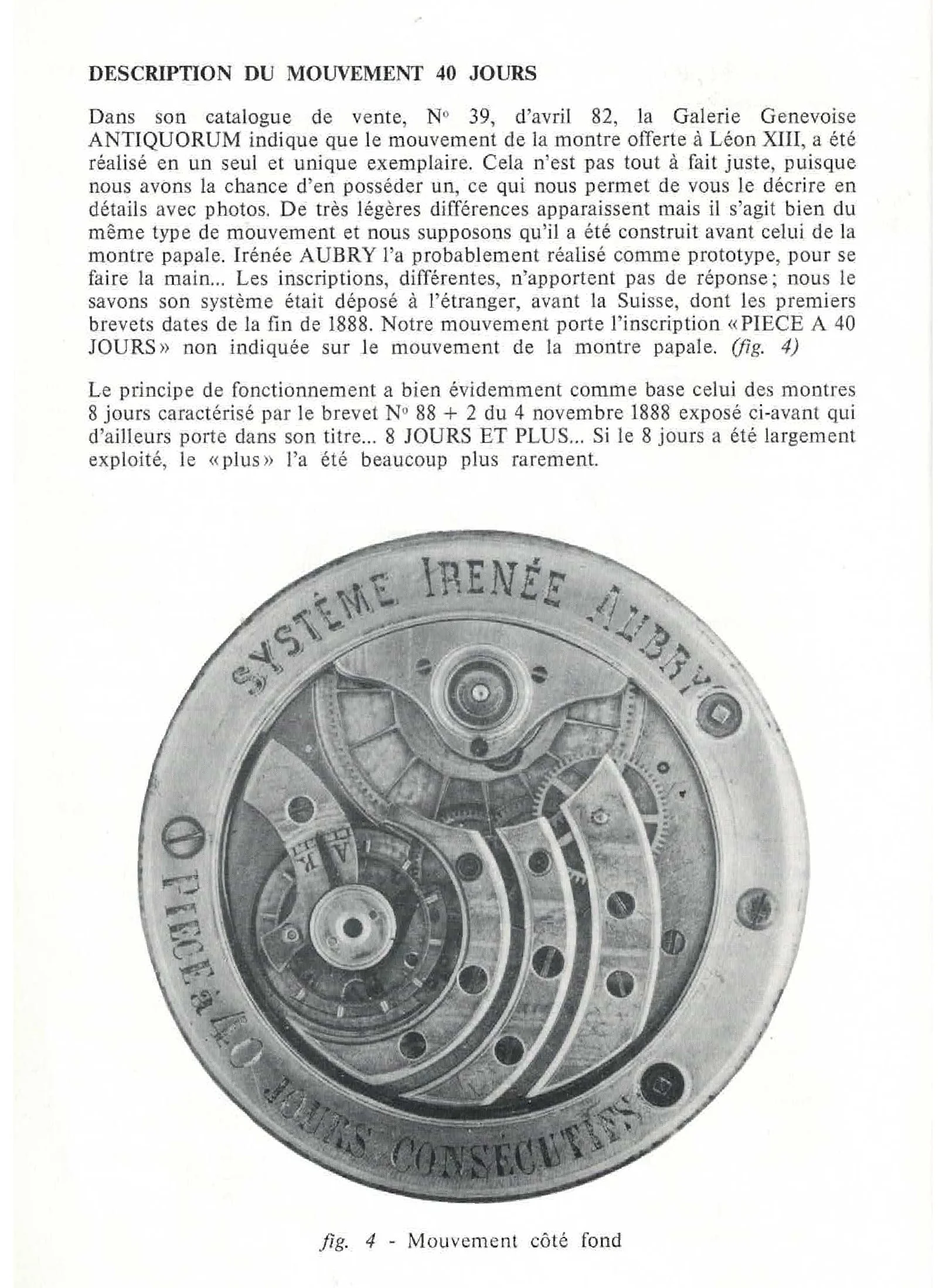
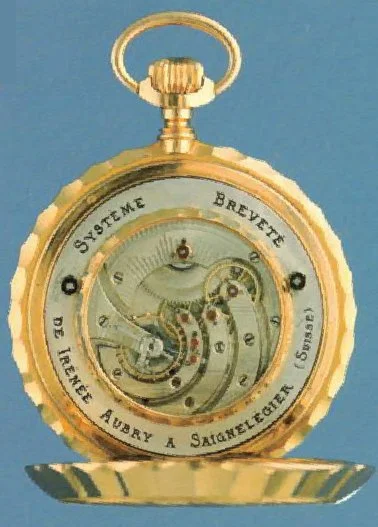
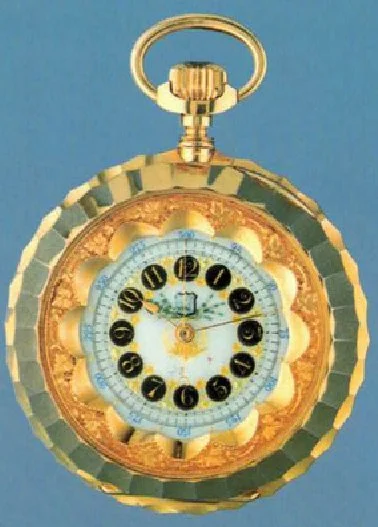
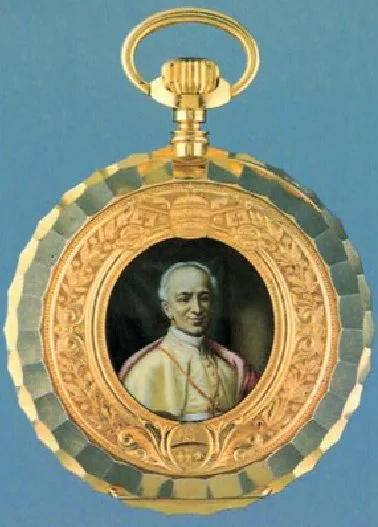
Founded in 1888 by Irénée Aubry in Neuchâtel, HAUTE-RIVE has always pushed the limits of power reserve in watchmaking. From the Hebdomas with 8 days of power reserve to the extraordinary 40-day-power-reserve watch created for Pope Leo XIII, innovation has been at the heart of the brand.
Stéphane von Gunten
Today, this pioneering spirit lives on through Irénée Aubry’s great-great-grandson, Stéphane von Gunten. As a master watchmaker and inventor, he reinterprets this heritage with a contemporary vision - where tradition meets bold engineering and refined design.
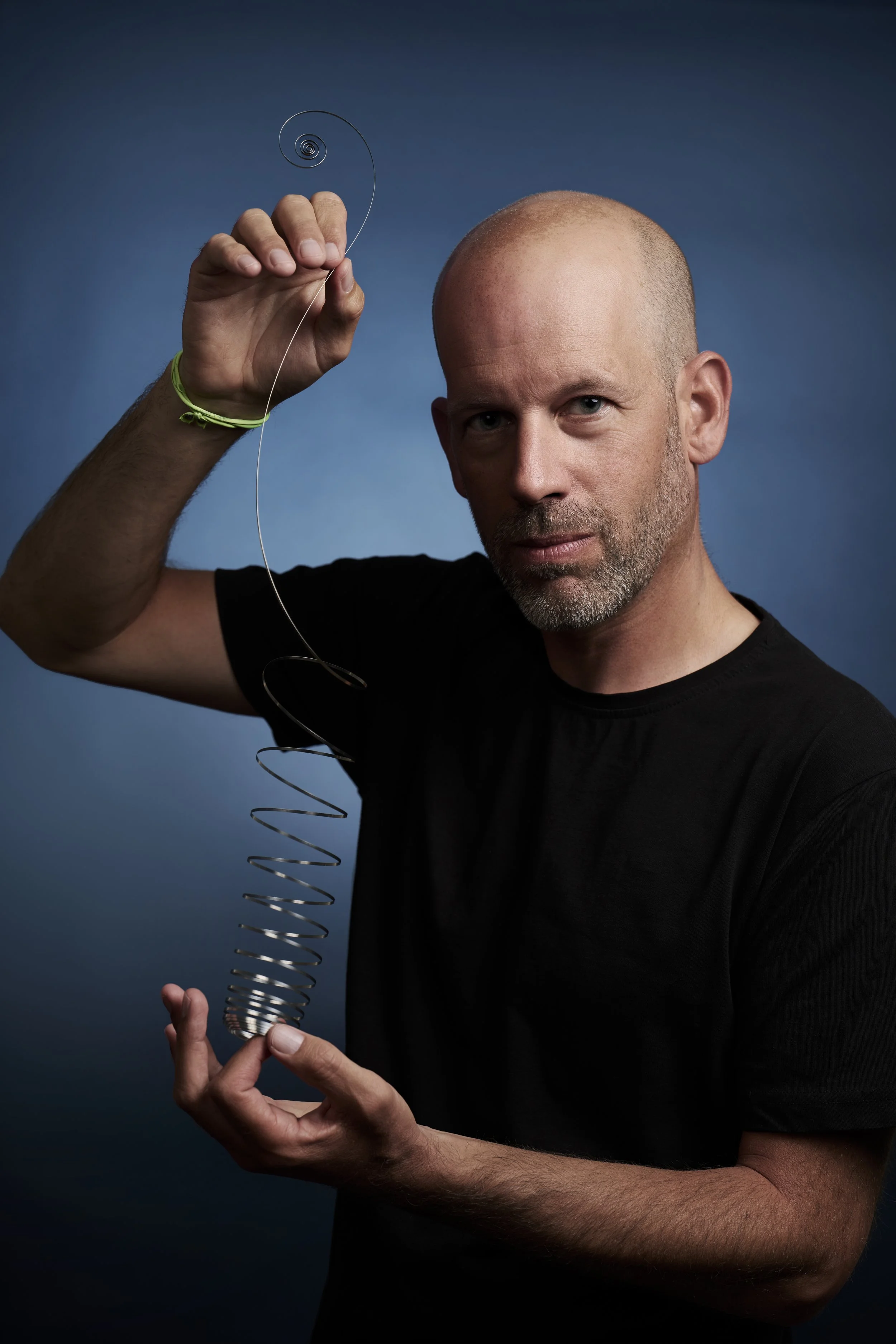
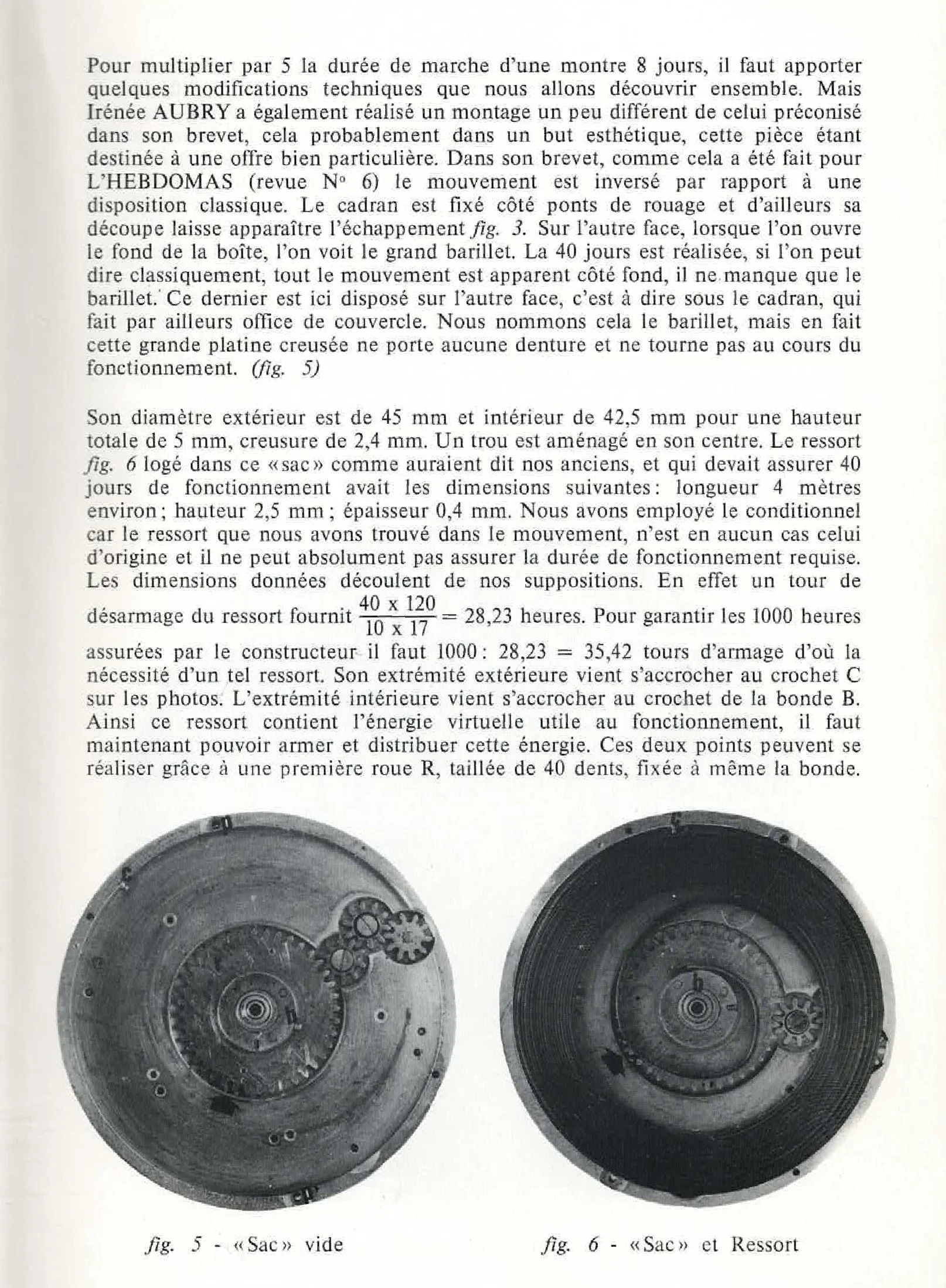
Stéphen von Guten holding the 3-meter mainspring of the Honoris in hand
Stéphane von Gunten built nearly 20 years of award-winning R&D experience across top Swiss luxury maisons before launching his independent brand:
2005: Joined Patek Philippe’s R&D department, pioneering early research on silicon watch components and silicon hairsprings during the industry’s silicon revolution.
2007–2021: Served as Director of Research & Innovation at Ulysse Nardin, filing over 30 technical patents and creating landmark brand innovations:
the Ulysse Anchor constant-force escapement
Grinder automatic winding system
iconic Freak series (InnoVision 2, Freak NeXt)
Free Wheel floating tourbillon movement
Honoris Lagoverde
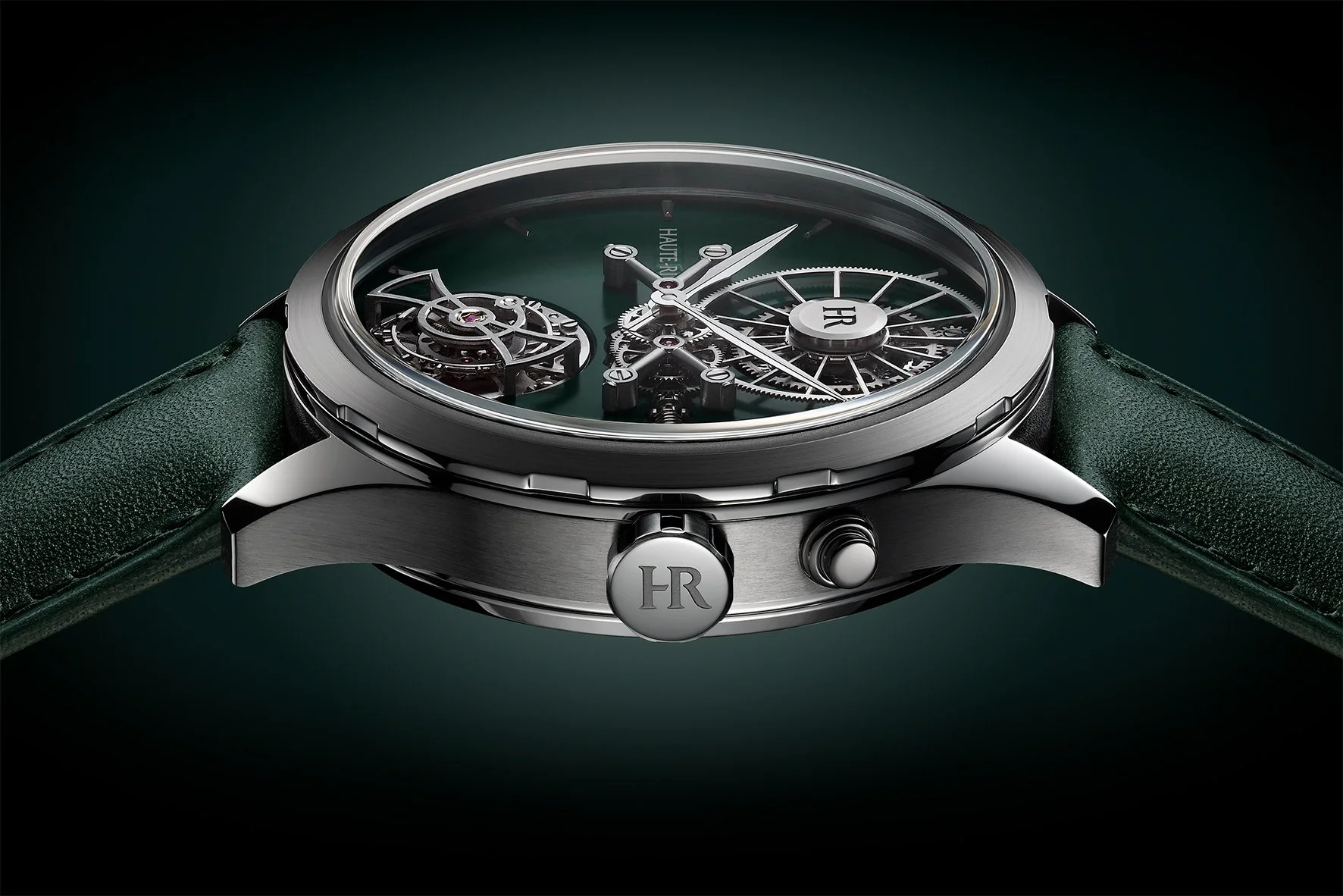
In September 2026, we are honoured to have Stéphane leading us to dive deep into the birthplaces of the Honoris Lagoverde. The 8-piece limited Honoris Lagoverde is the pinnacle masterpiece of the Honoris Collection, which not only boasts an ultra-long 1,000-hour power reserve and a tourbillon at 6 o’clock, but also features a meticulously hand-engraved dial covered by deep green translucent enamel, which captures the shifting moods of the Lake Neuchâtel in stormy weather — raw, unpredictable, and deeply expressive.
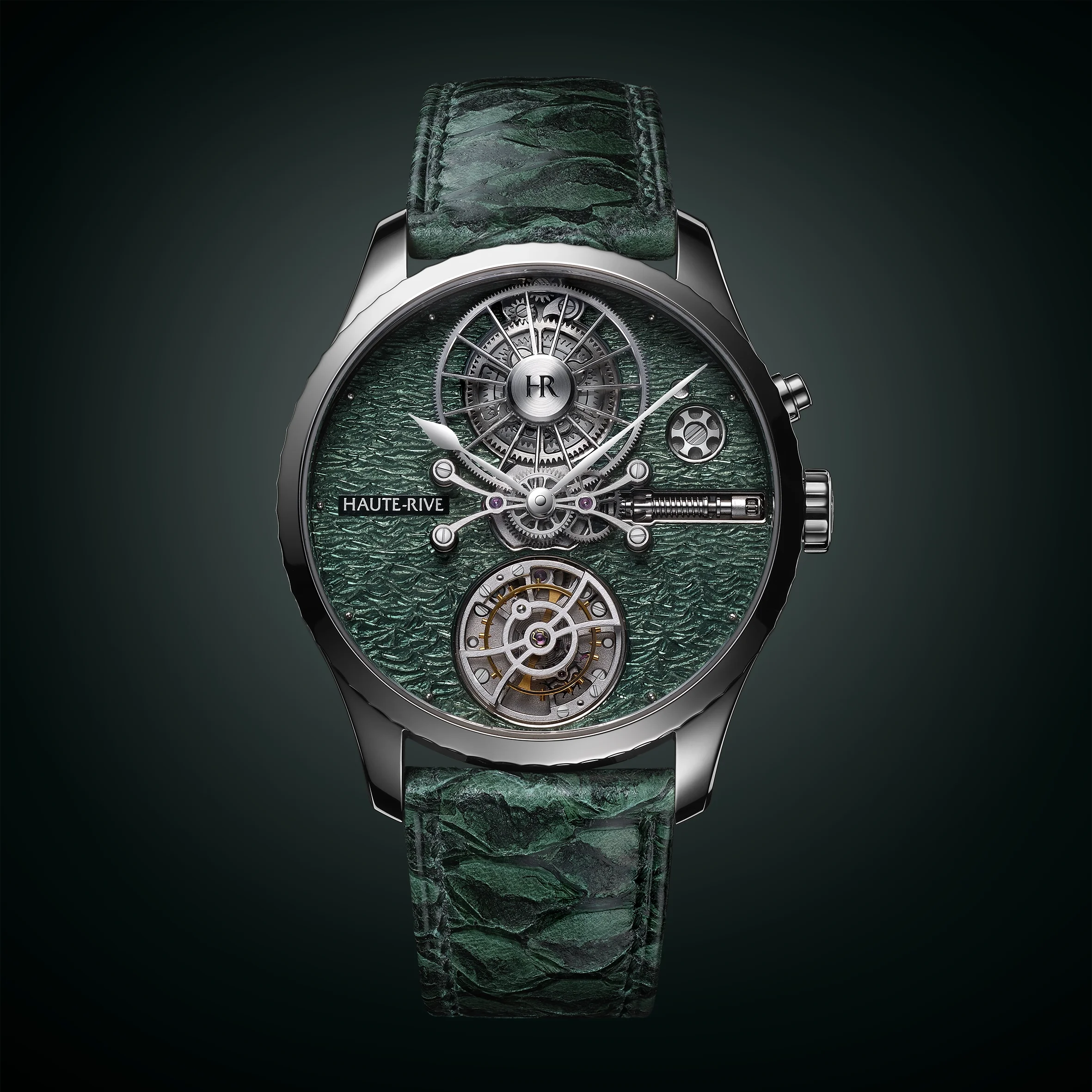
Honoris Lagoverde
L’Atelier Gravure Pierre‑Alain Lozeron
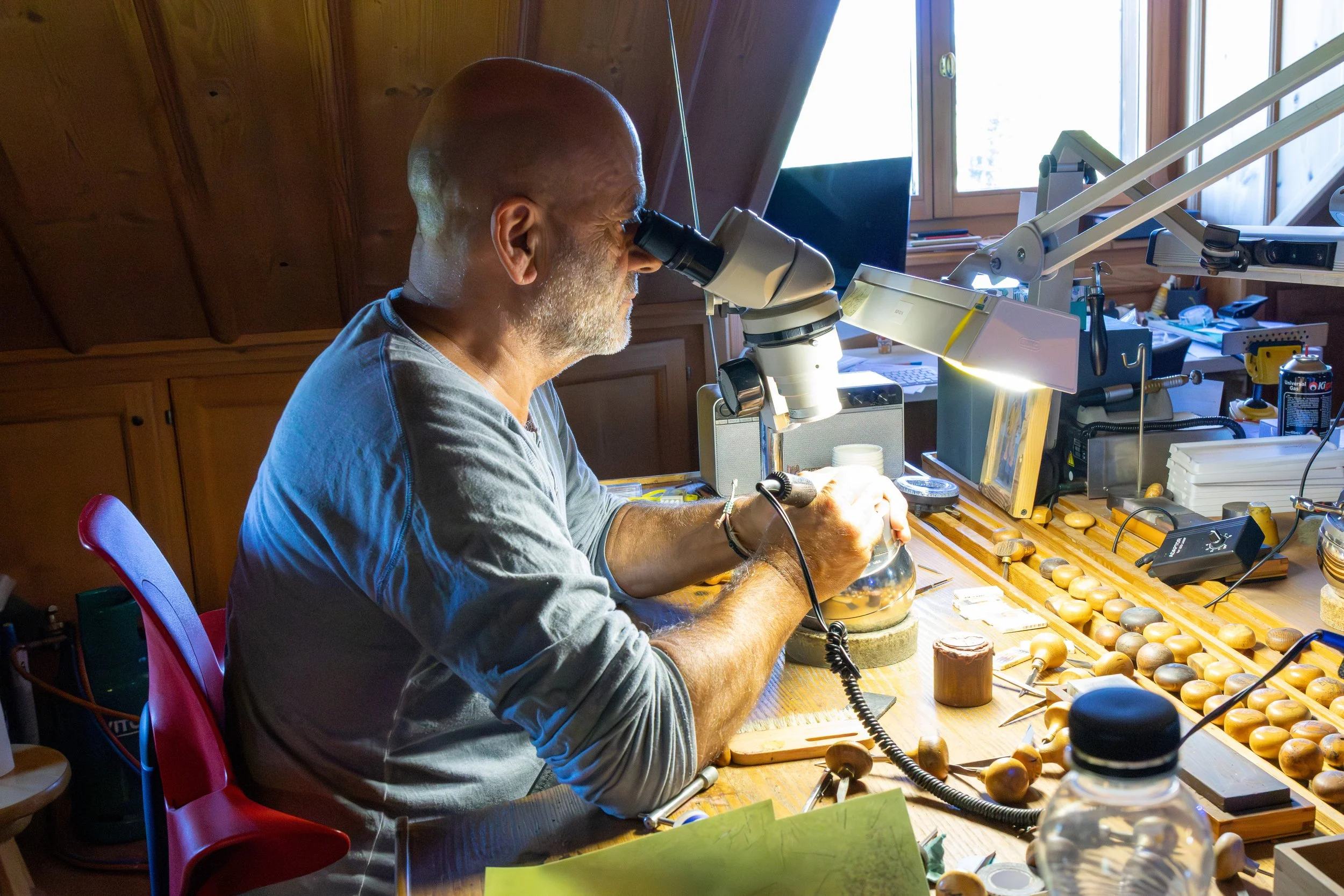
The master engraver for the Lagoverde’s dial is Pierre-Alain Lozeron, who is based in La Chaux-de-Fonds. He is celebrated for his exceptional skill in hand engraving and micro‑painting, especially in the field of high‑end watchmaking, where he has collaborated with luxury brands for over 20 years, best known for his long‑term partnership with Richard Mille, creating some of the brand’s most iconic artistic timepieces.
Start From Sketches
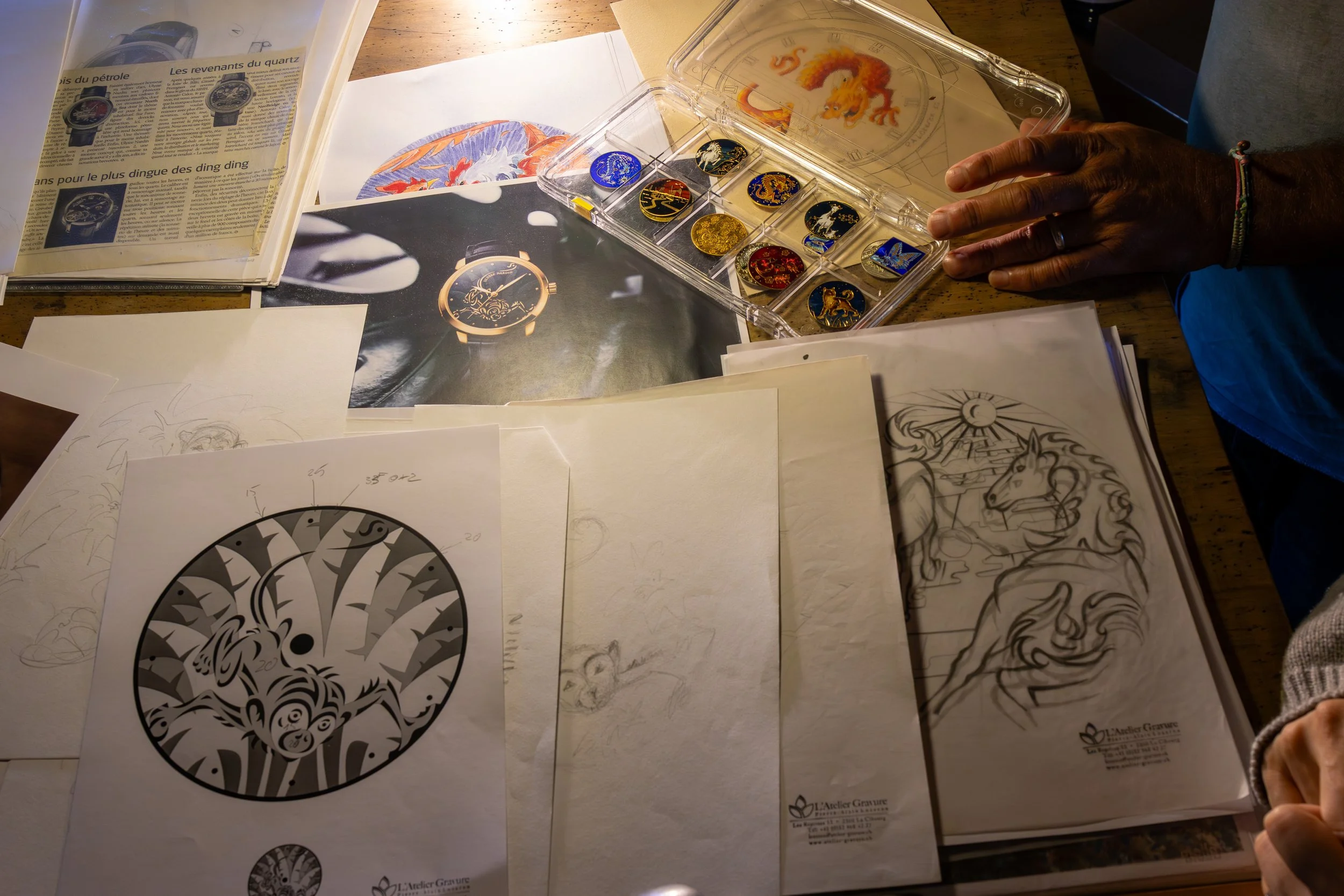
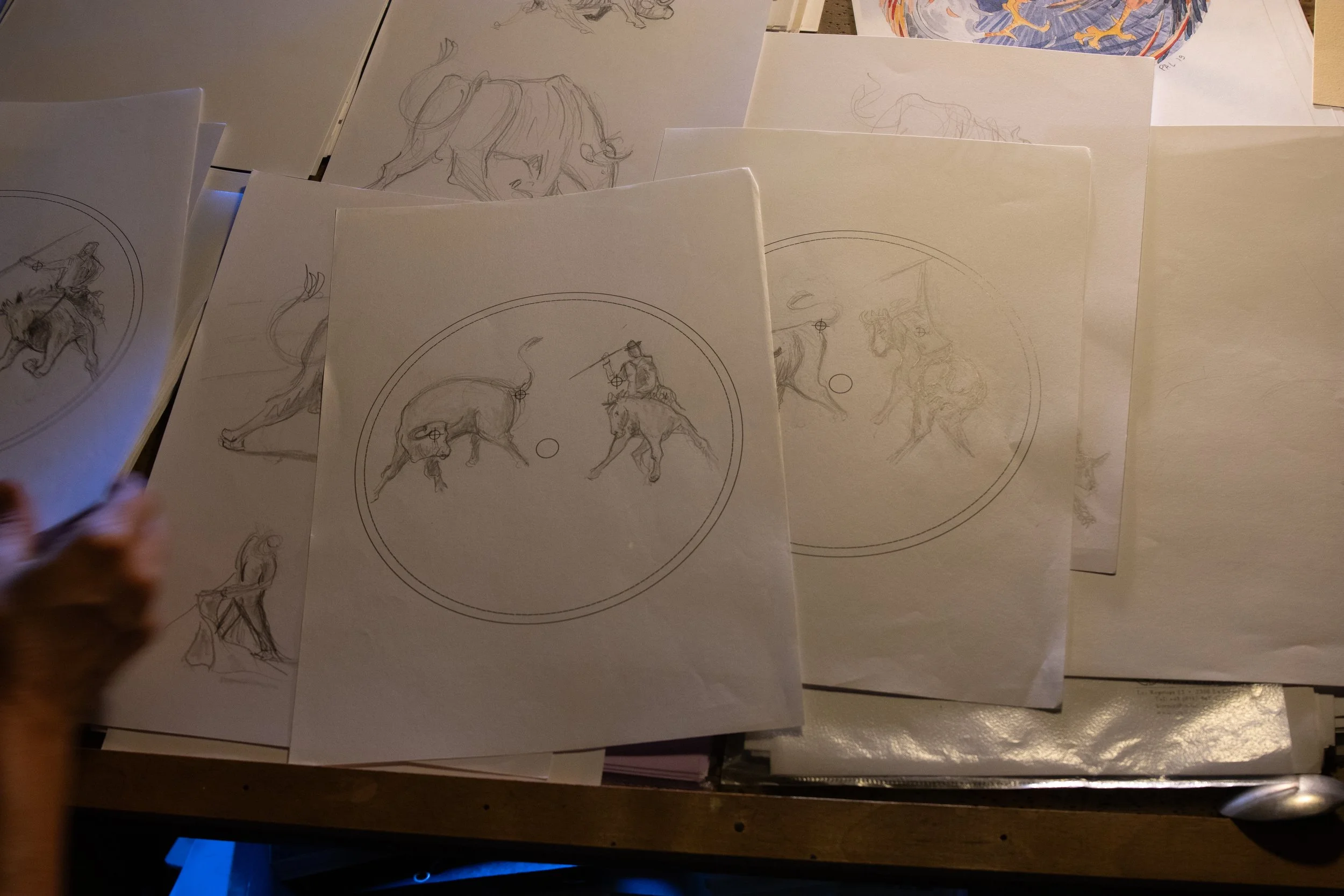
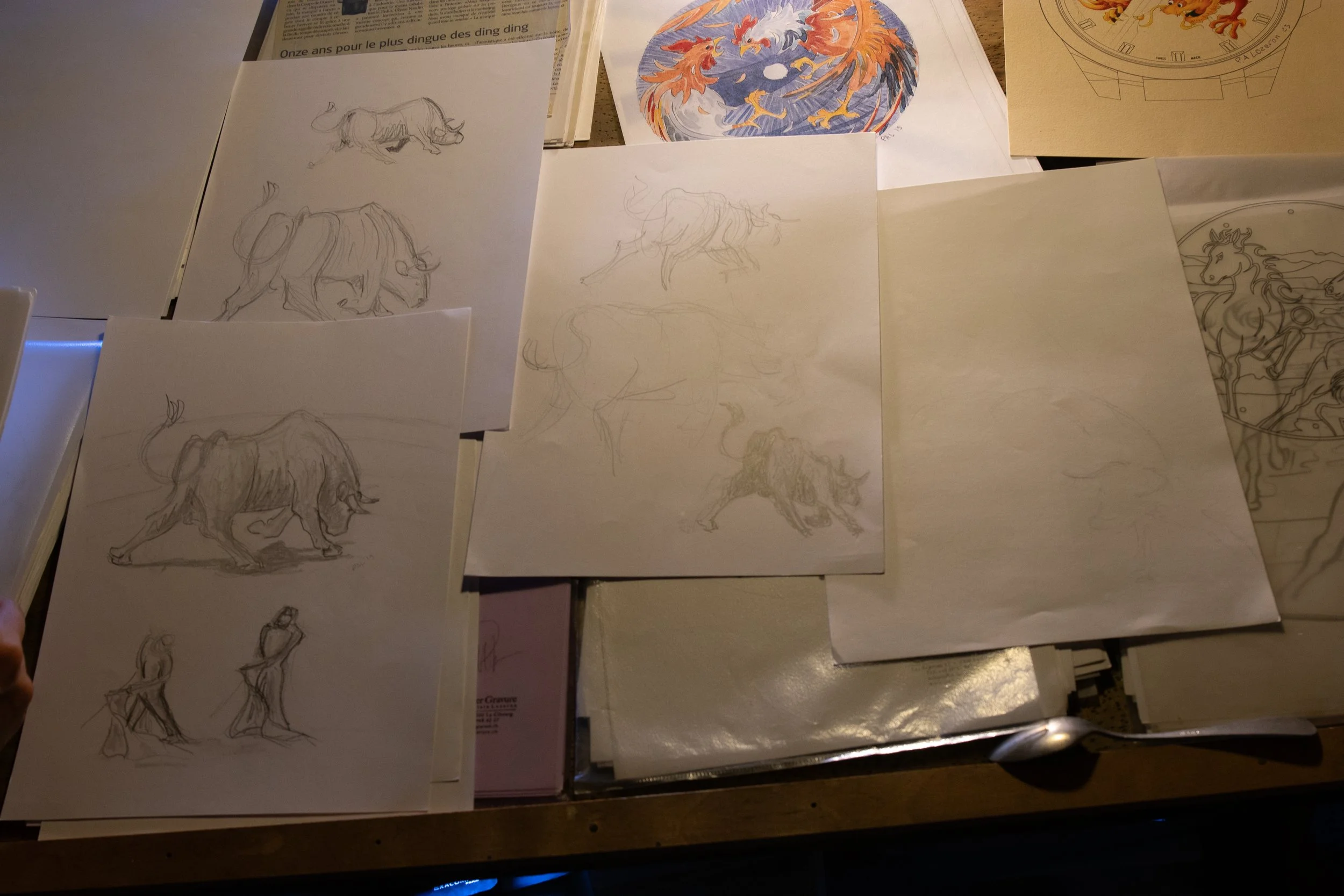
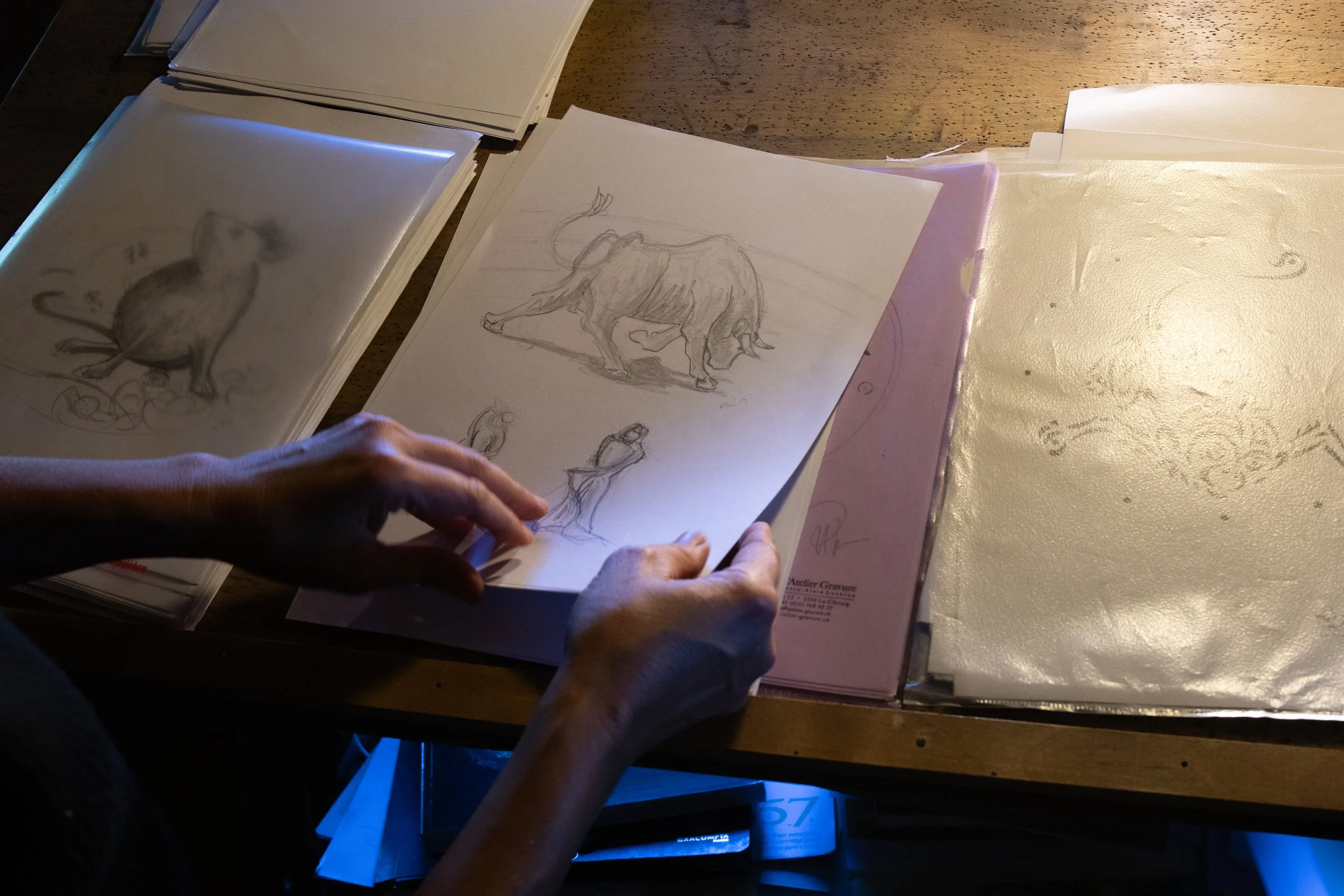
After Pierre finalises the design with the watch brand or client. He creates hand-drawn sketches on paper, mapping every motif, line, depth and proportion. For intricate themes, he adds fine linework to define textures, shadows and layered details. Multiple draft versions are revised until the design is fully approved.
Transfer To The Metal
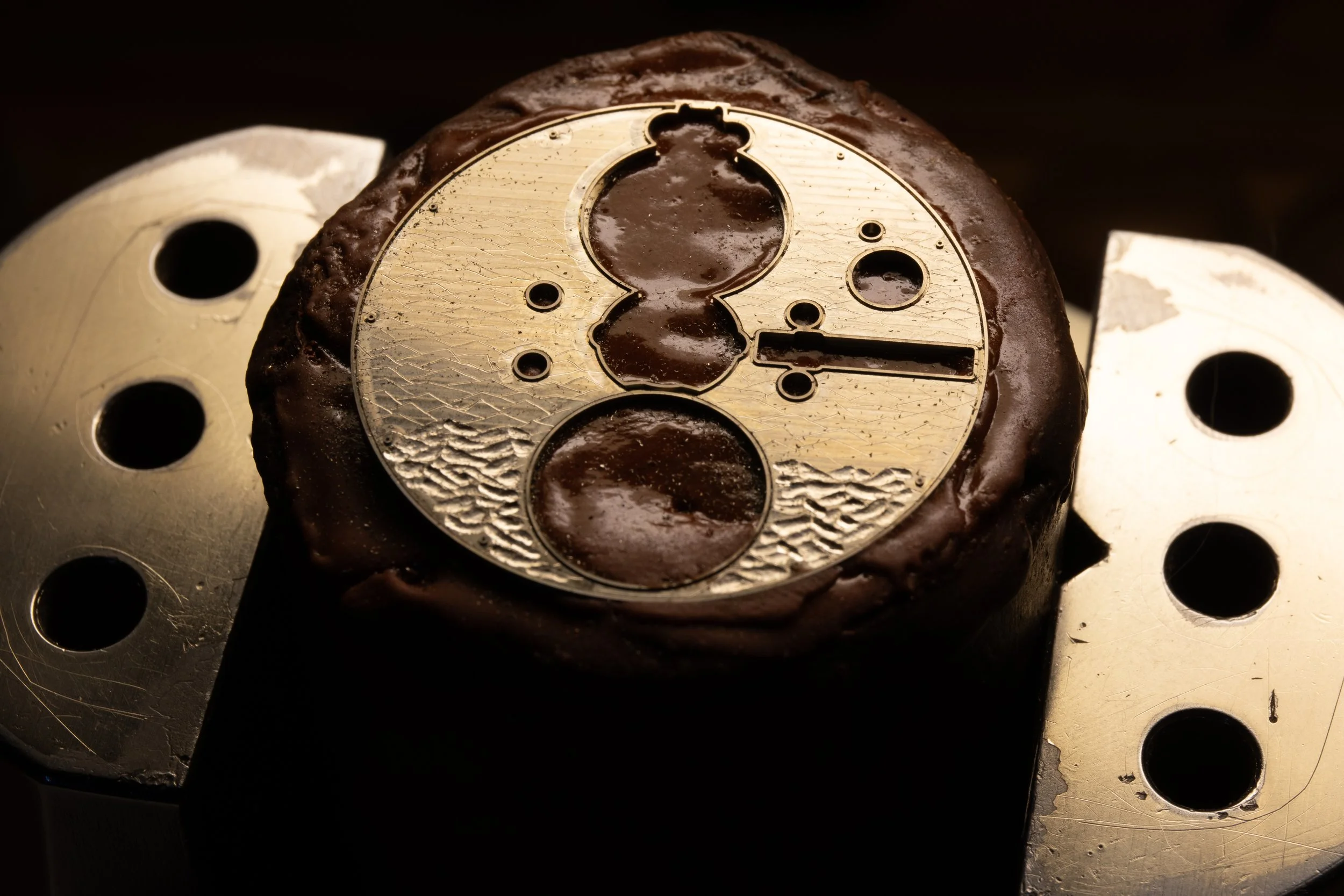
Once the sketch is confirmed, he copies the precise pattern onto the precious metal surface (gold, platinum or steel watch cases, dials and movements). He uses fine scribers to trace faint, accurate guide lines—these subtle marks act as a roadmap and will be removed in later stages.
Rough Engraving
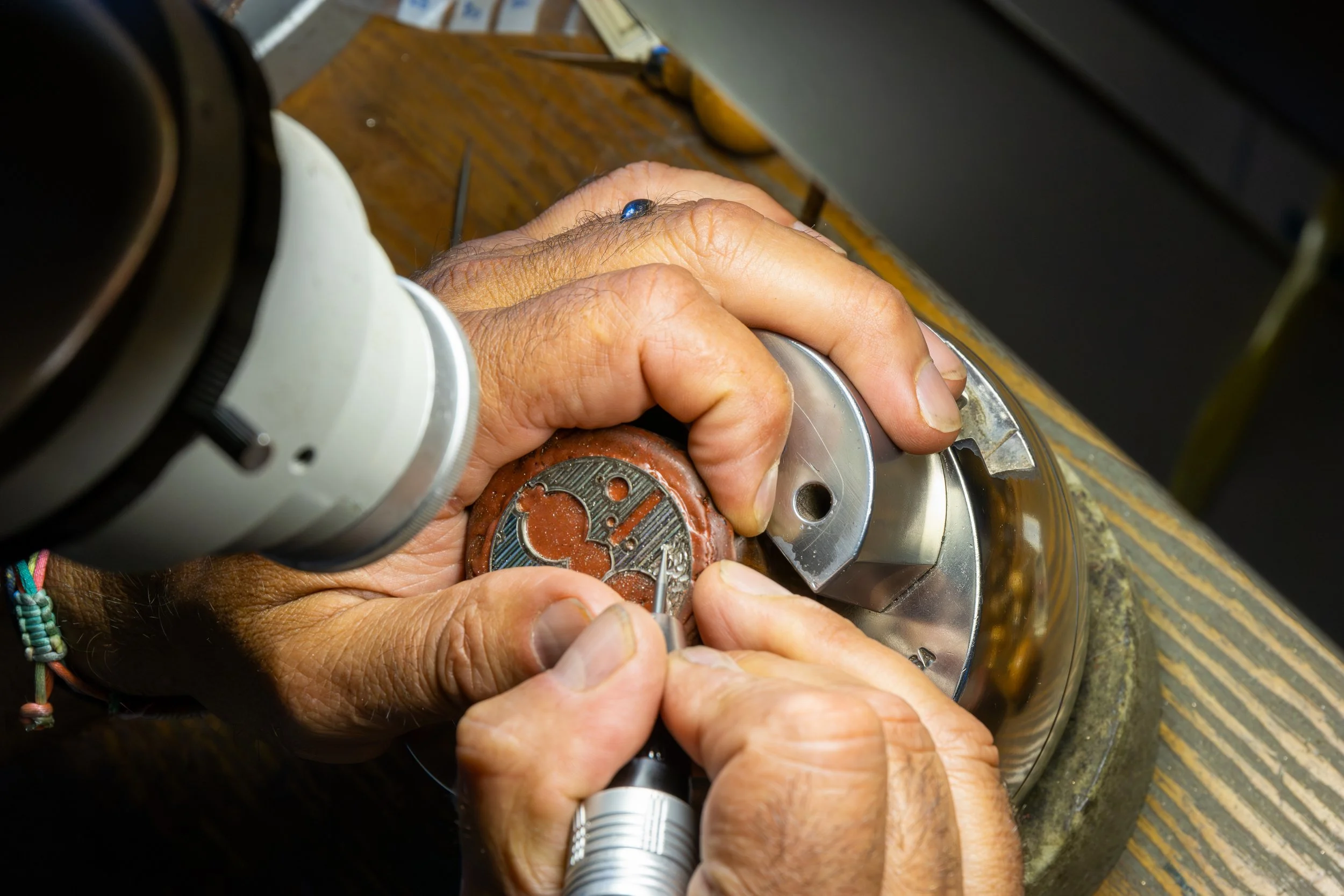
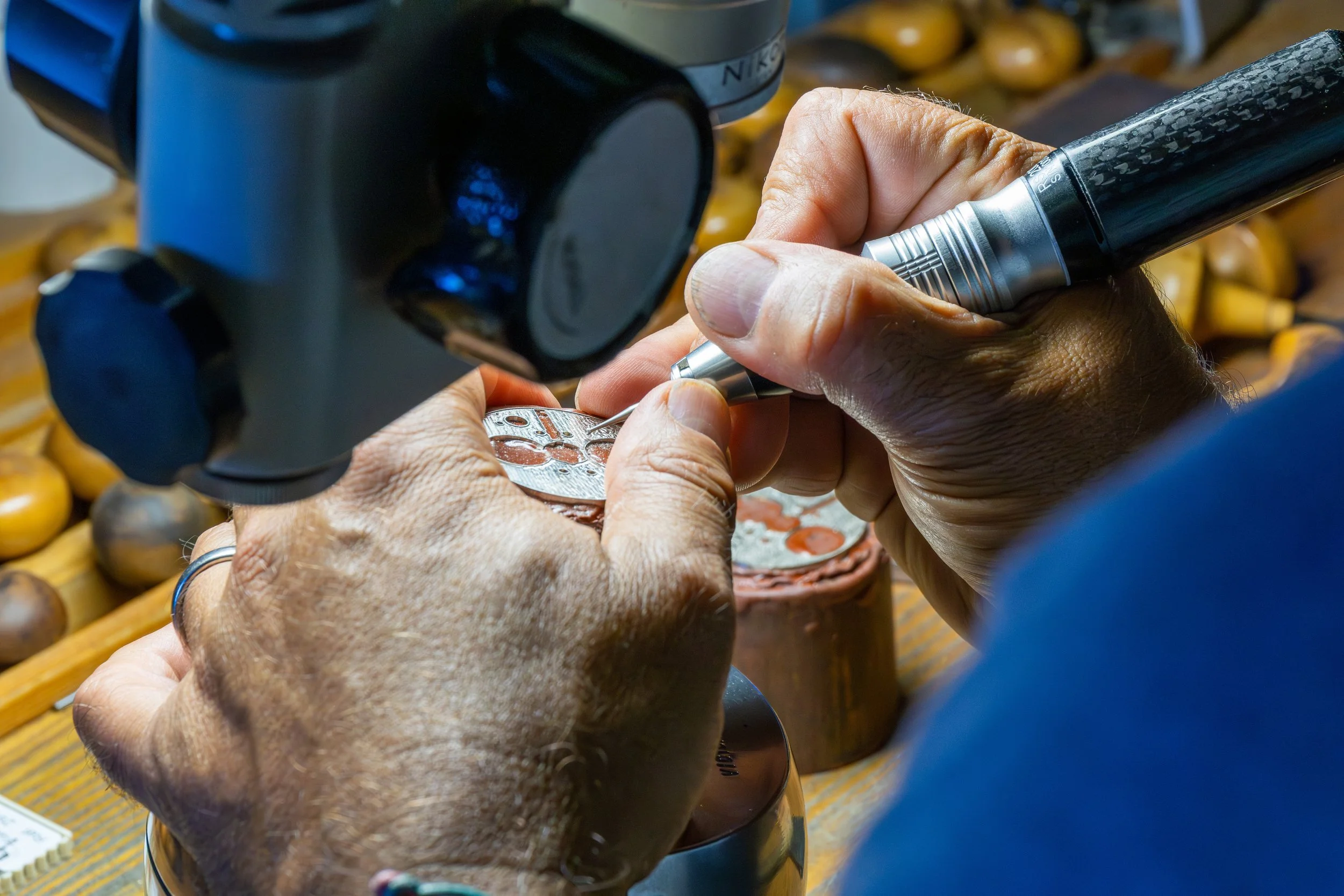
Using specialised hand tools, he starts with deep, broad cuts to carve the main shapes and relief levels. This step establishes the overall volume and depth of the design, separating raised areas from recessed backgrounds.
Fine Detailing, Sculpting and Depth Refinement
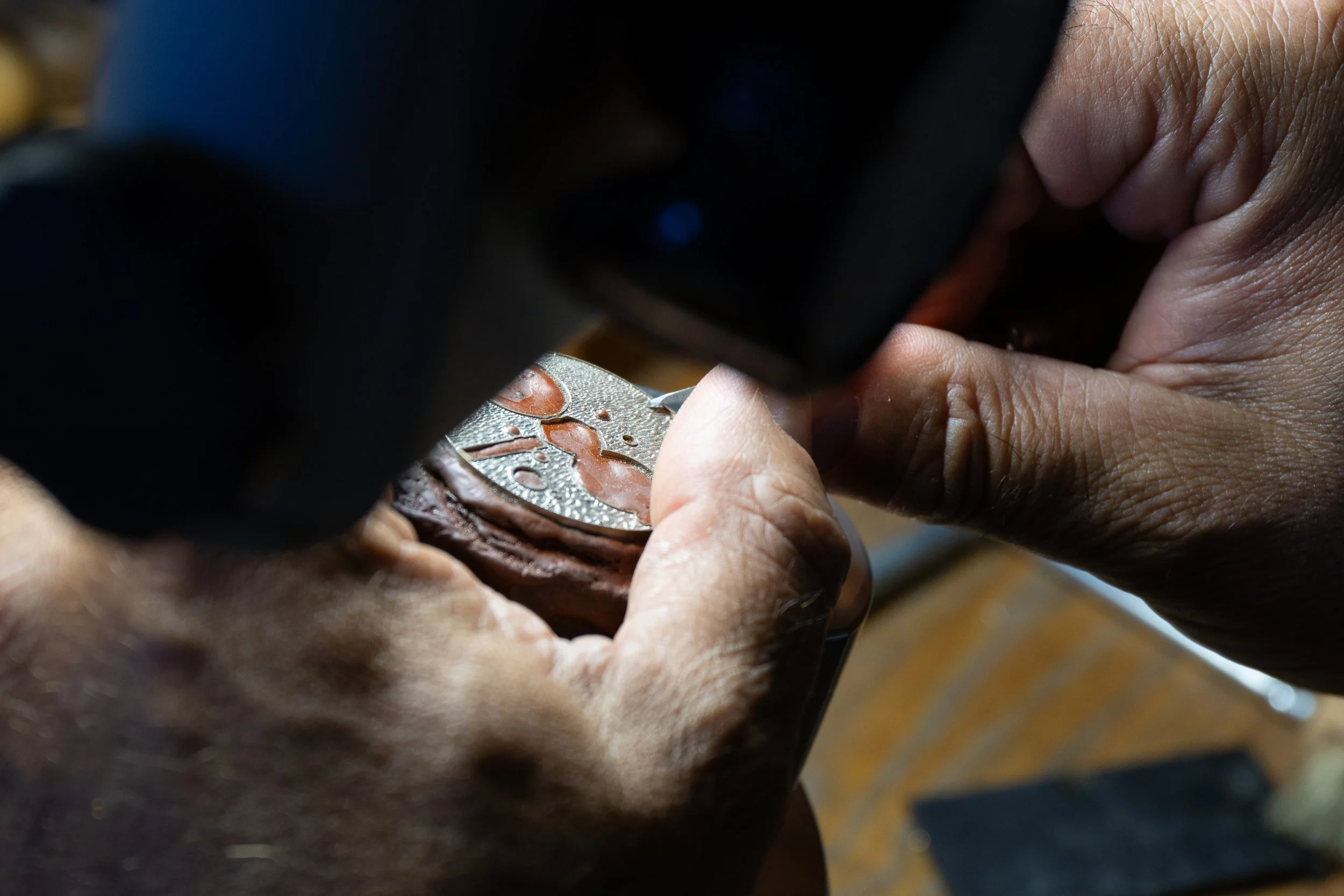
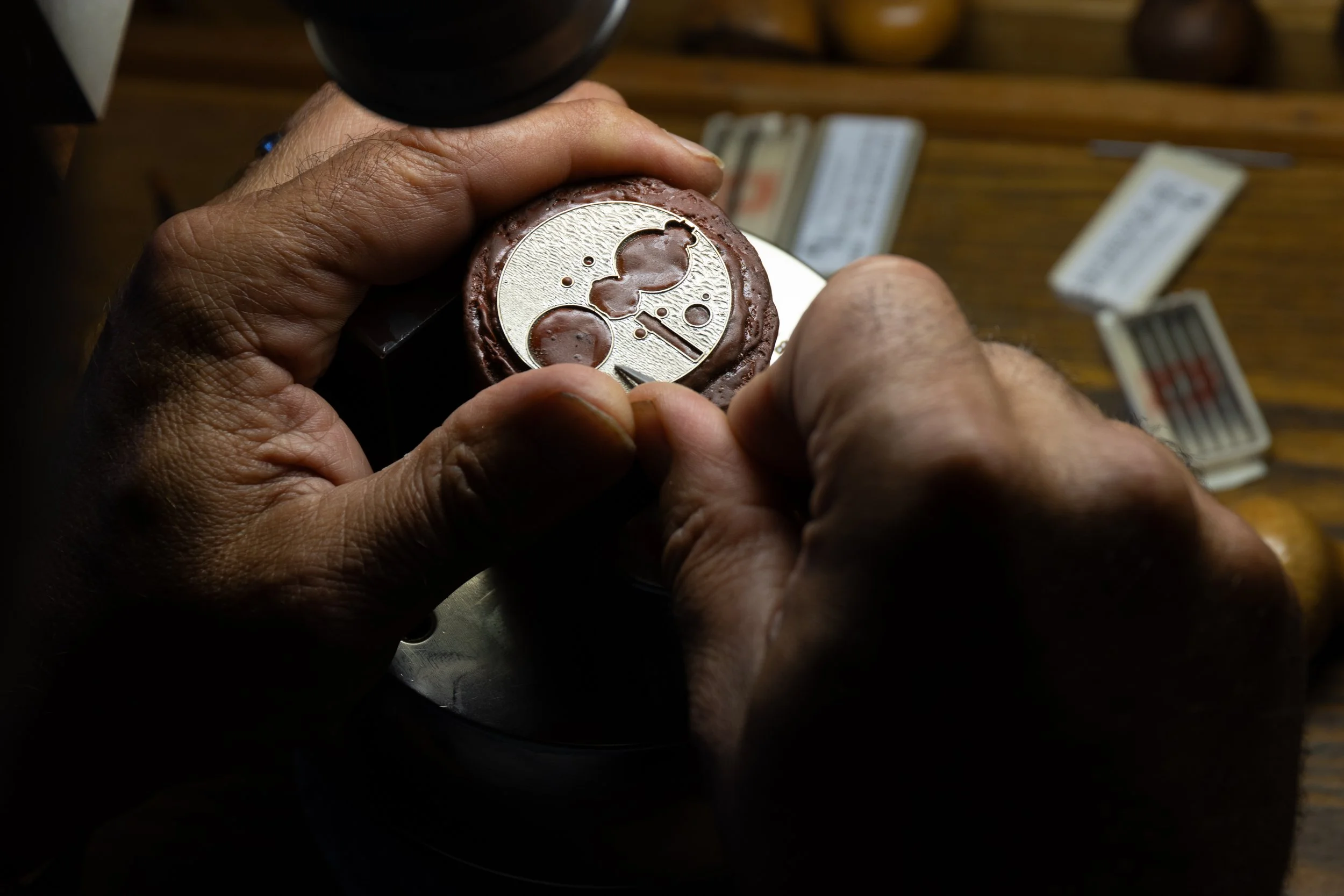
This is the most time-consuming phase. He switches to tiny, sharp gravers to carve delicate lines, textures and decorative patterns, refining every curve and contour to match the original sketch. He adjusts relief and shadow by varying cut depth and angle, creating a three-dimensional visual effect. He smooths rough edges and modulates the surface to build layered depth, a signature of his style.
The Depth Effect of Trompe-l'œil (French for 'deceive the eye')
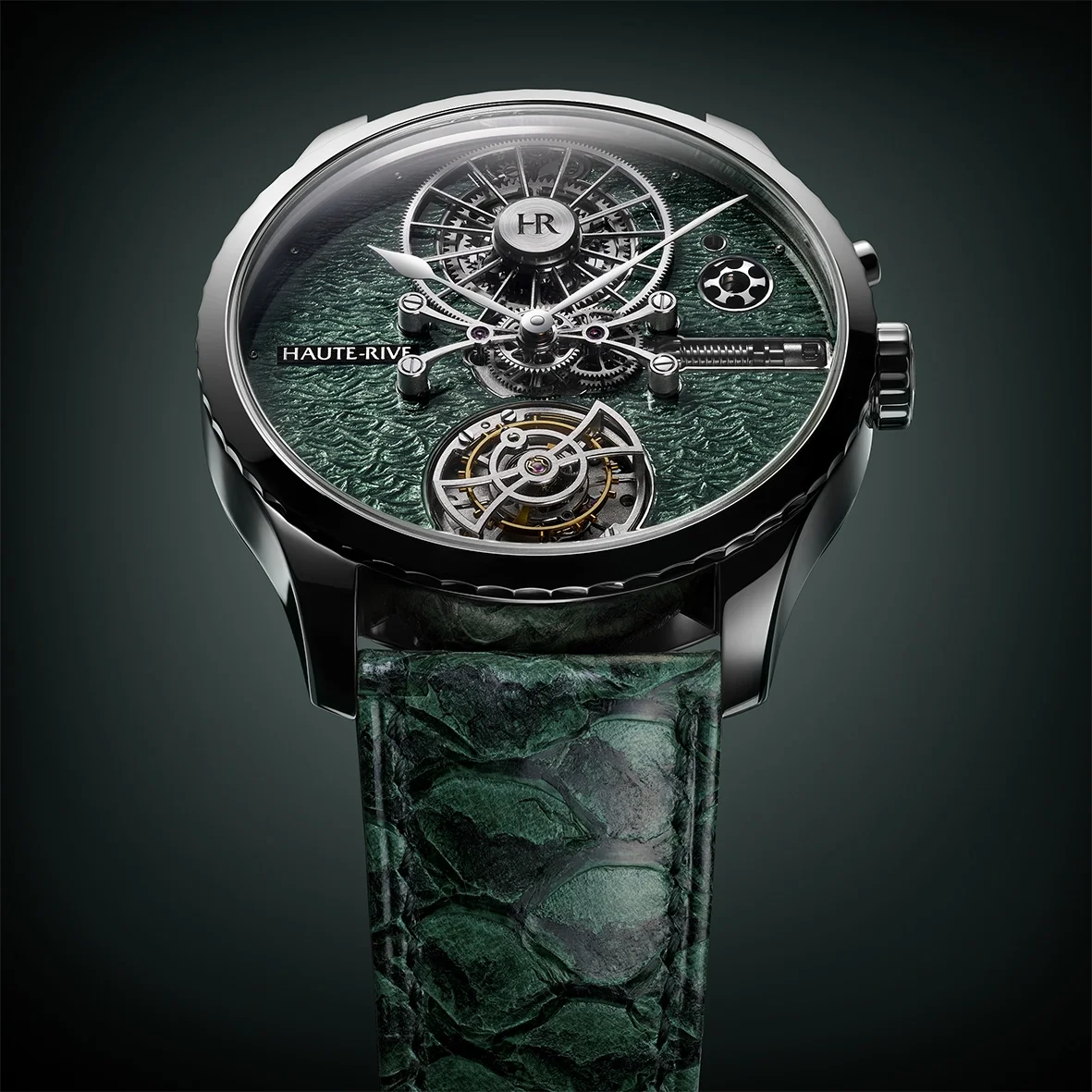
The result is stunning. A signature of Pierre-Alain Lozeron’s work, the trompe-l'œil effect can be seen in the thickness difference between the waves on the 6H and 12H, which resembles the view of perspective one perceives when standing at the shore of Lake Neuchâtel. The above engraved dial is covered with translucent deep green enamel, which will be described in details in the following section.
2b8 Sàrl atelier
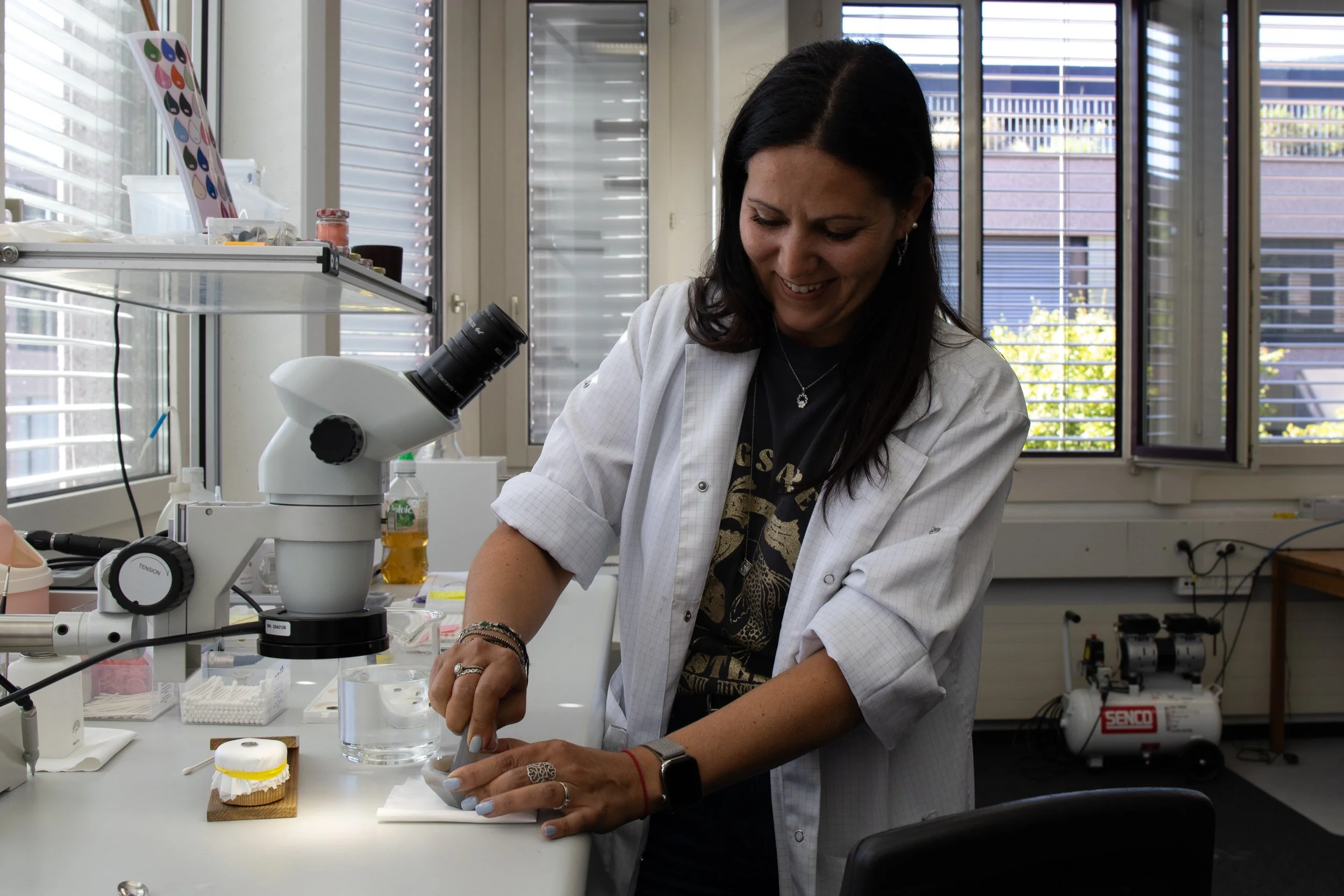
The beautiful grand feu enamel of the Honoris Lagoverde is done by 2b8 Sàrl atelier, which is a Swiss high‑end watchmaking atelier based in Marin‑Epagnier (Neuchâtel).
While it is best known for micromachining, engraving, and decoration of movement components, dials, and case parts, it also houses a small, dedicated team of master enamelers who specialise in grand feu enamel exclusively for high‑end brands (e.g., Richard Mille, Ulysse Nardin, etc) and independent watchmakers.
We were so happy to have Sophie from the atelier explaining to us the traditional process in creating the grand feu enamel dial for HAUTE-RIVE Watches.
Raw Material
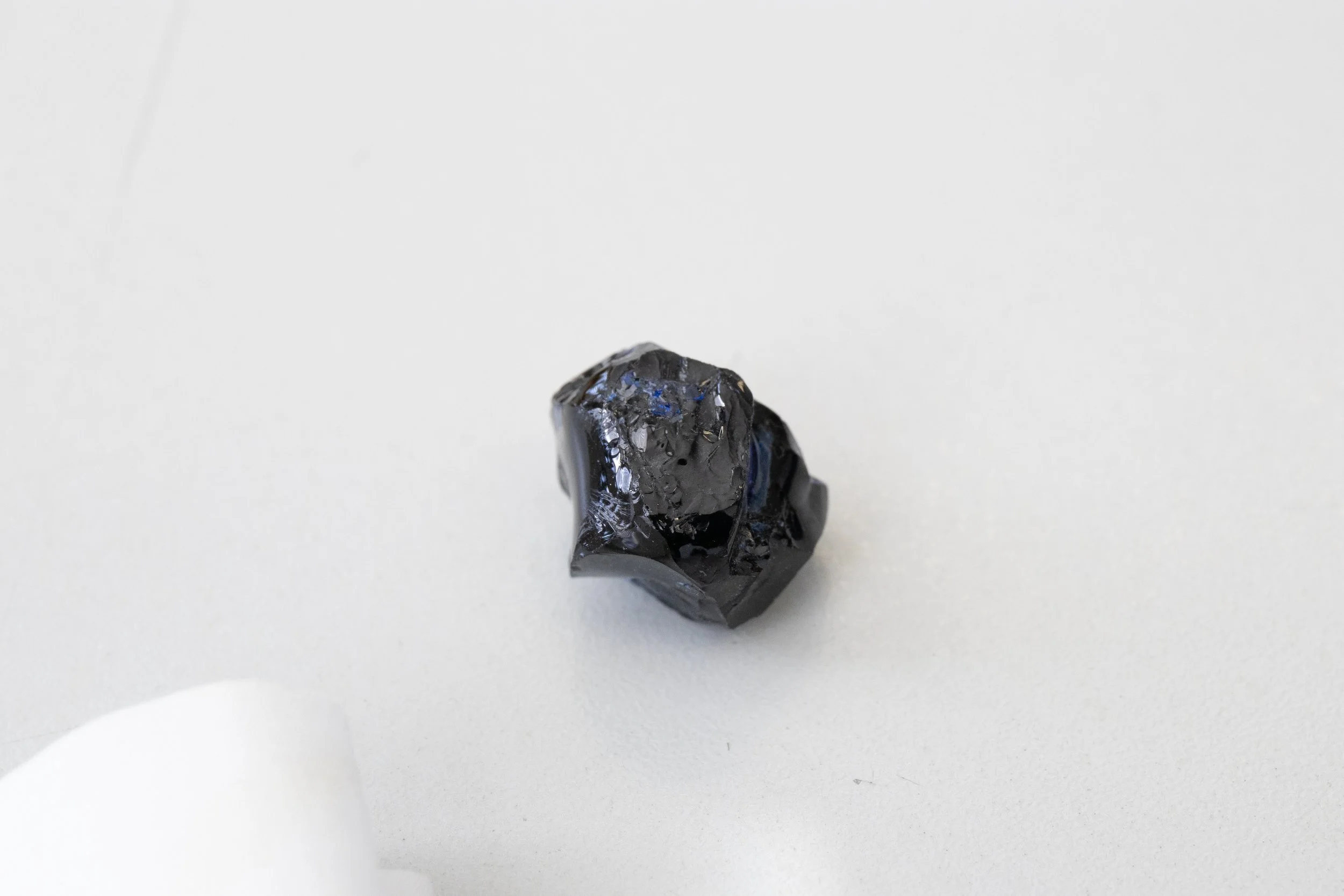
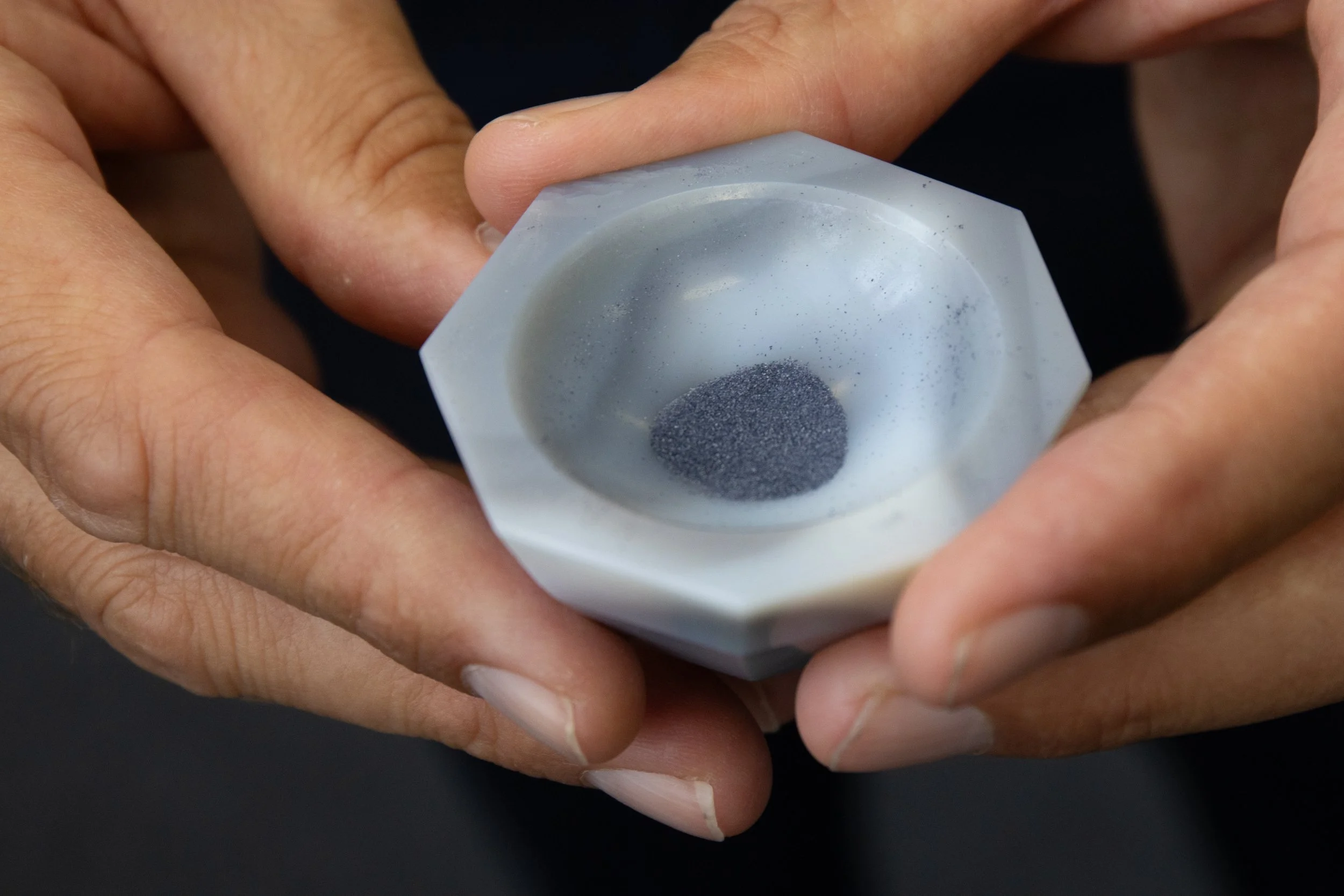
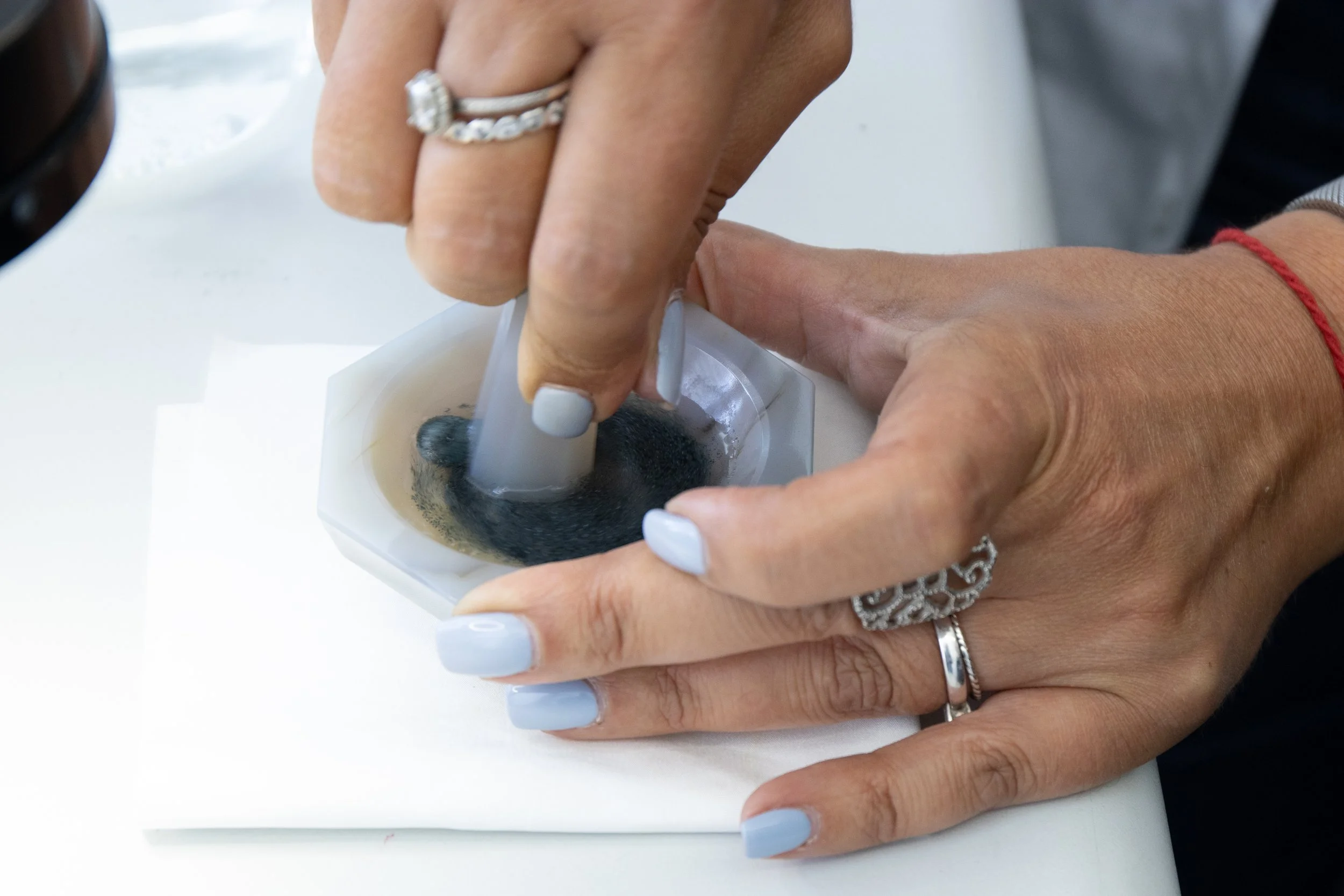
Vitreous enamel, which is a glass-based material, is the raw material for grand feu enamel works. In order to be melted layers by layers onto the base metal, the vitreous enamel first has to be crushed and ground into the form of fine powder and washed to remove unwanted particles. Then the cleaned powder is blended with demineralised water to make a thick, paste-like slurry.
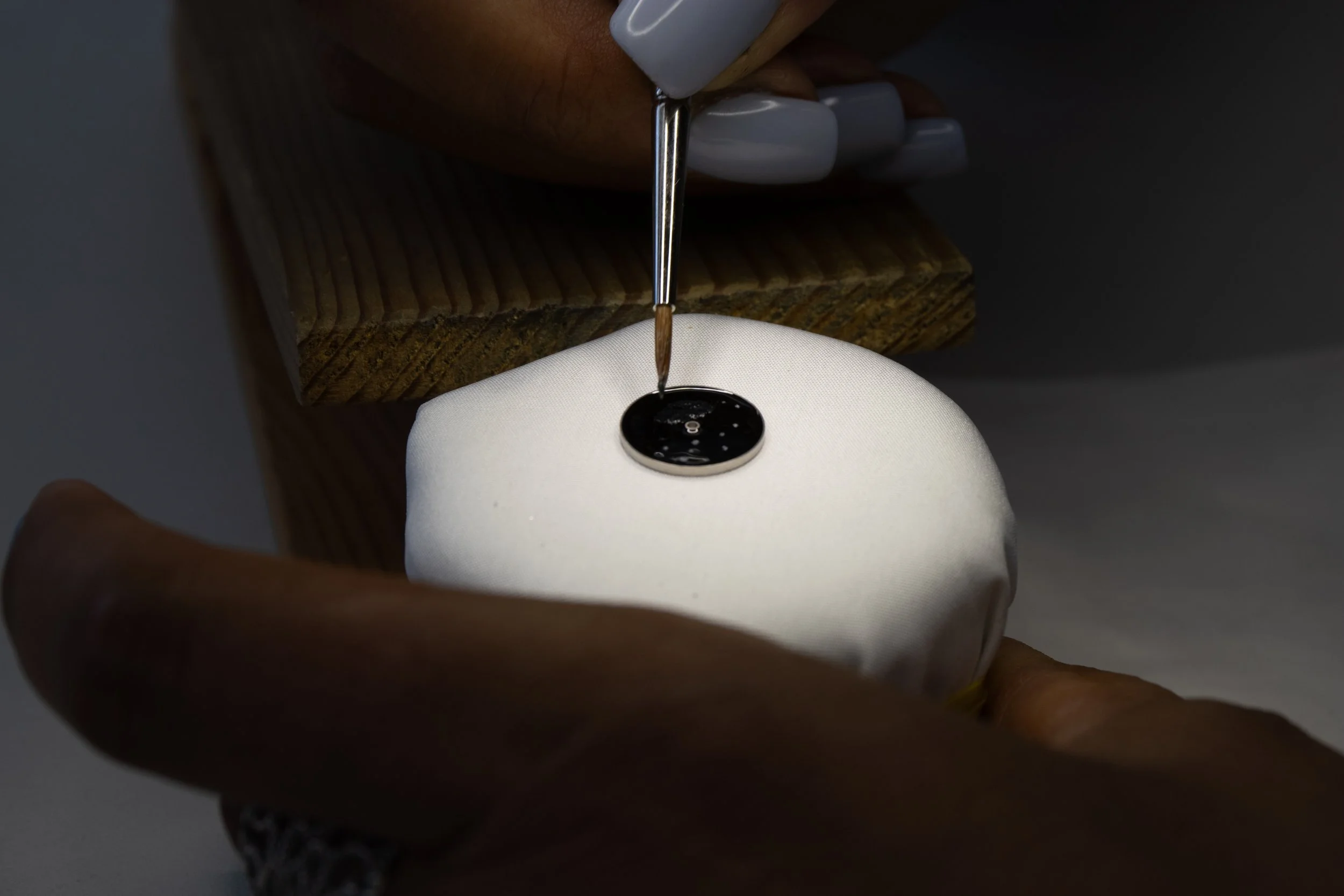
Apply Wet
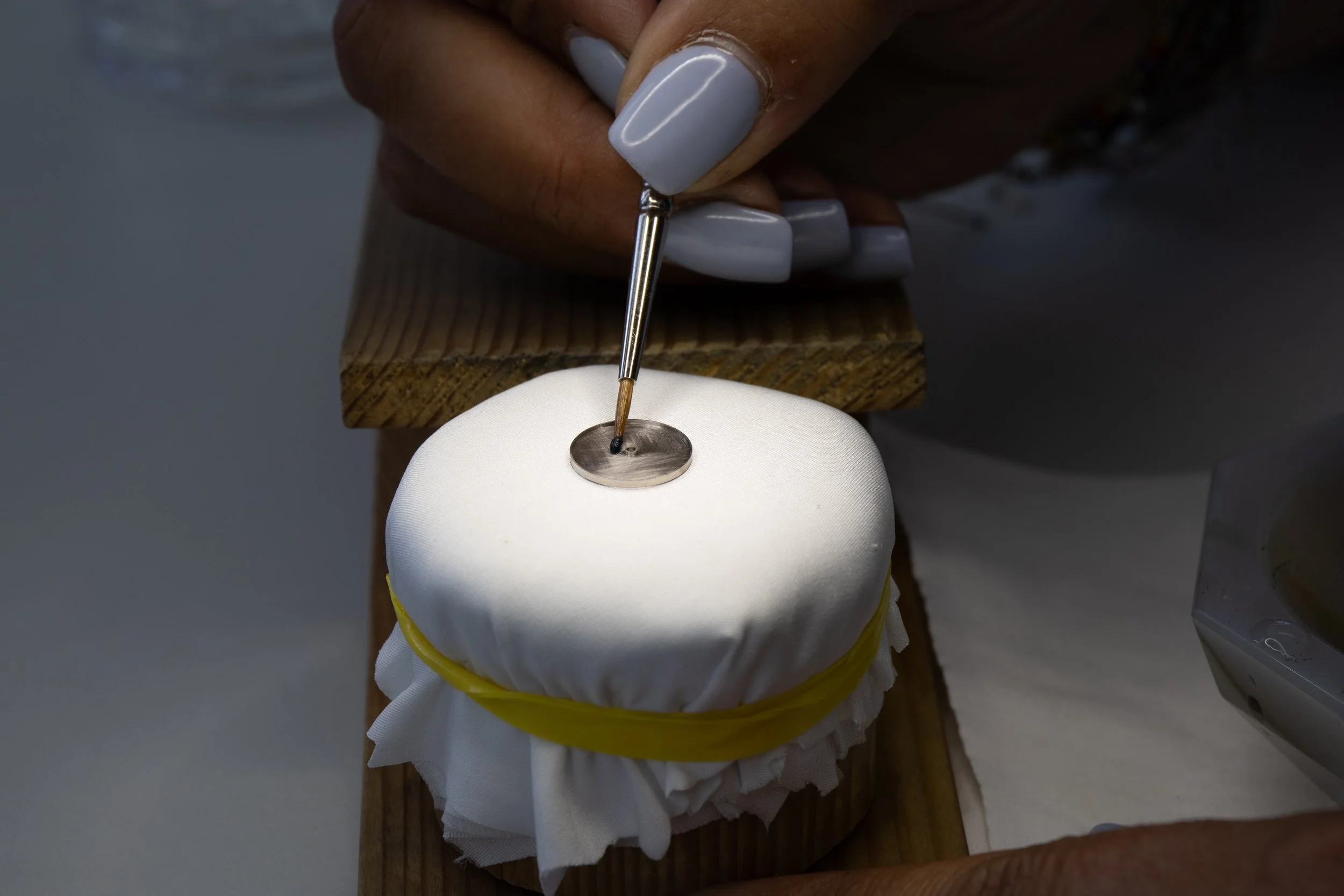
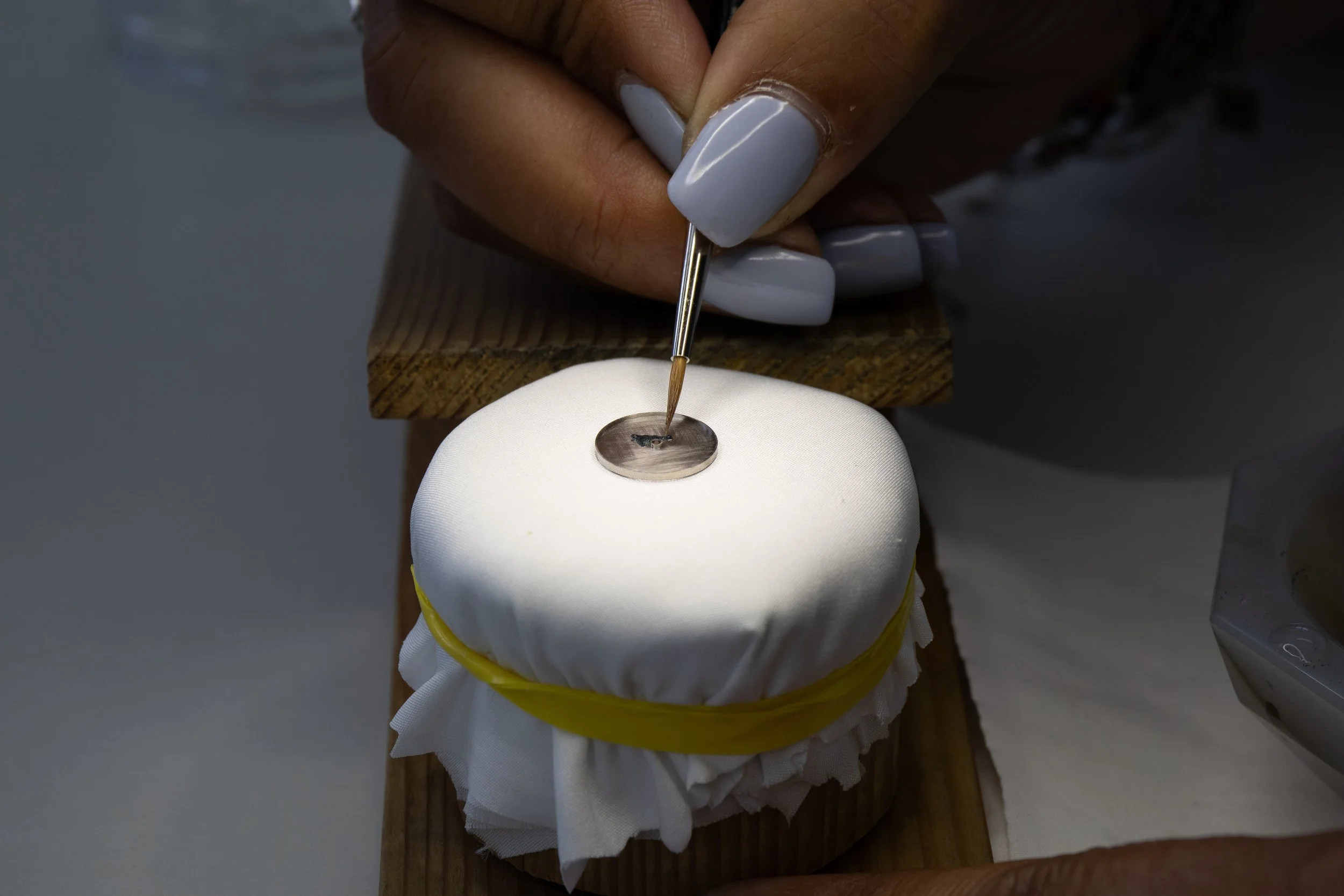
The slurry is painted onto the metal base (usually gold or silver to avoid bending and cracking the enamel above when the piece is being cooled down after firing) with a fine brush.
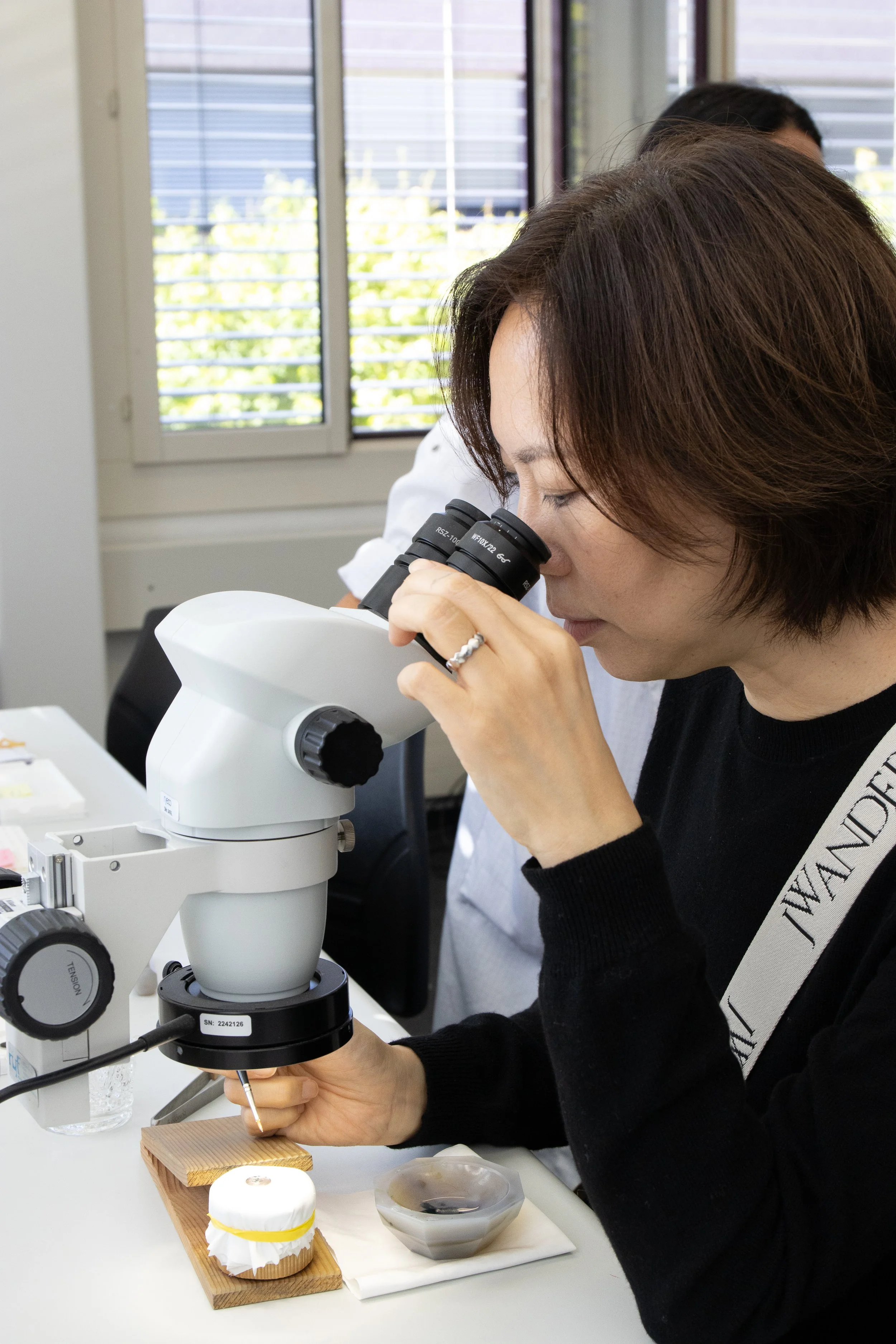
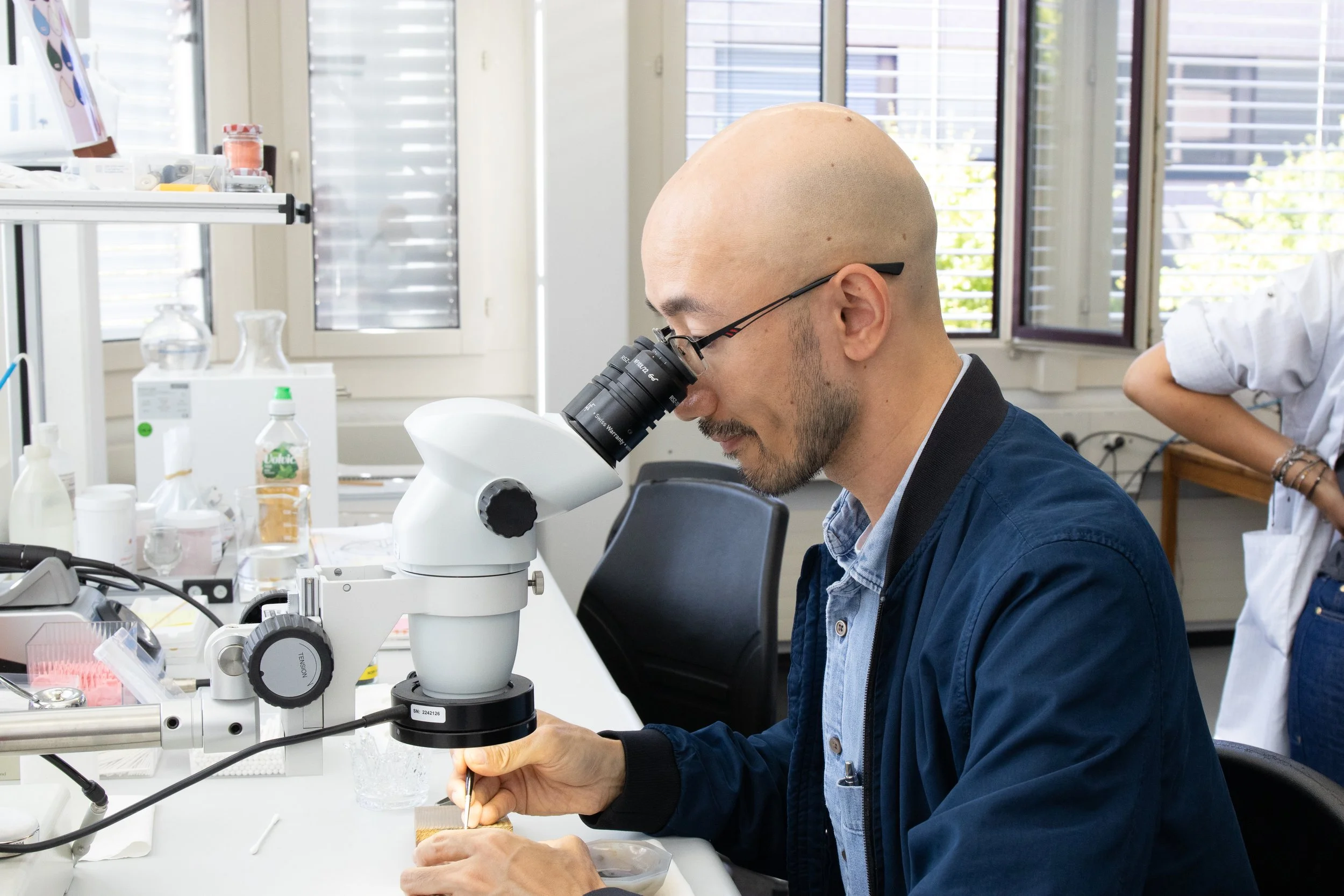
The Lavish Attic team attempted the enamel applying with their untrained hands, which resulted in unsightly pieces best kept private. With that aside, let’s move on to appreciate the works of the professional artist below.
Dry Fully
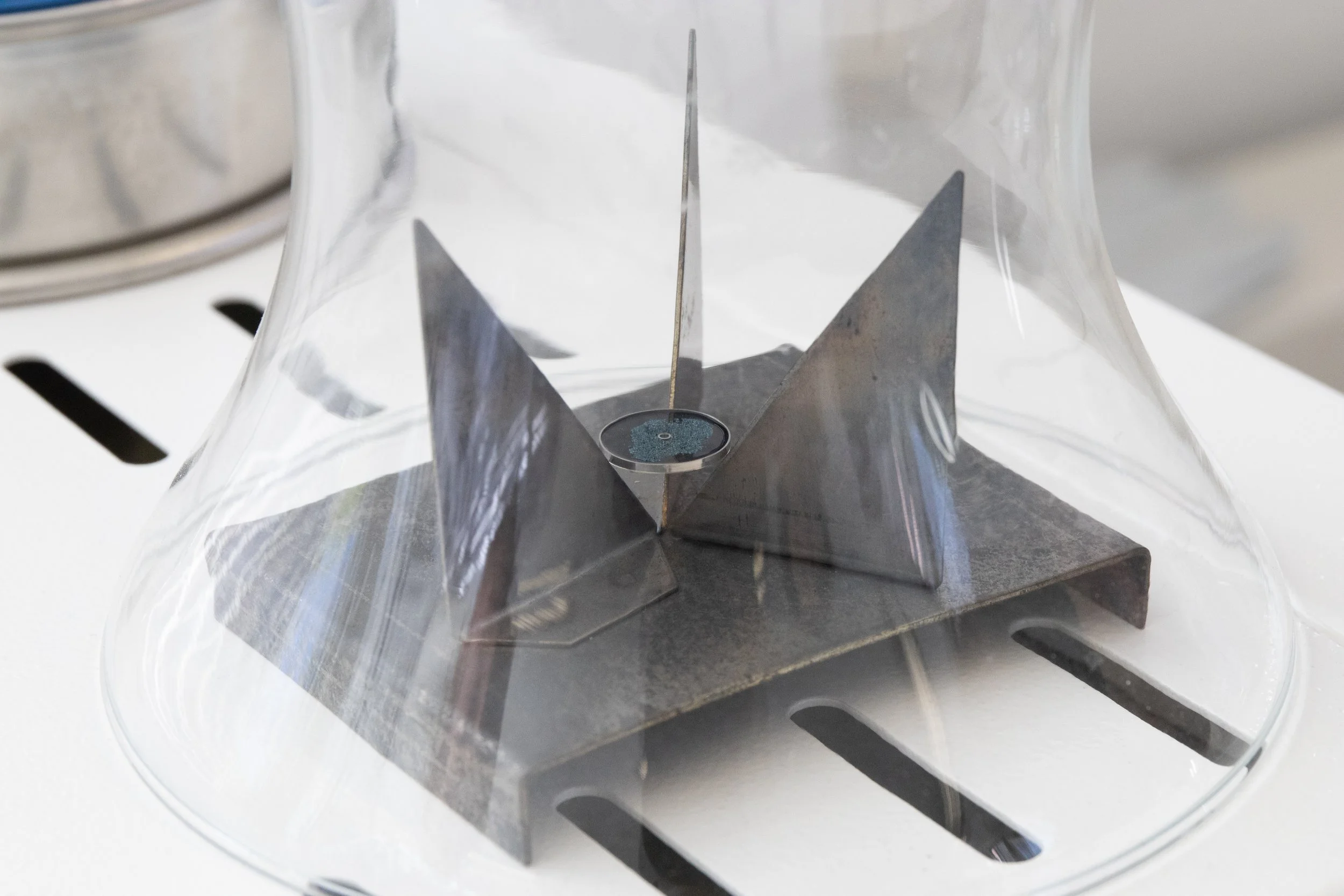
The piece is then air-dried completely to avoid boiling or cracking in the kiln.
Grand Feu At Around 800°C
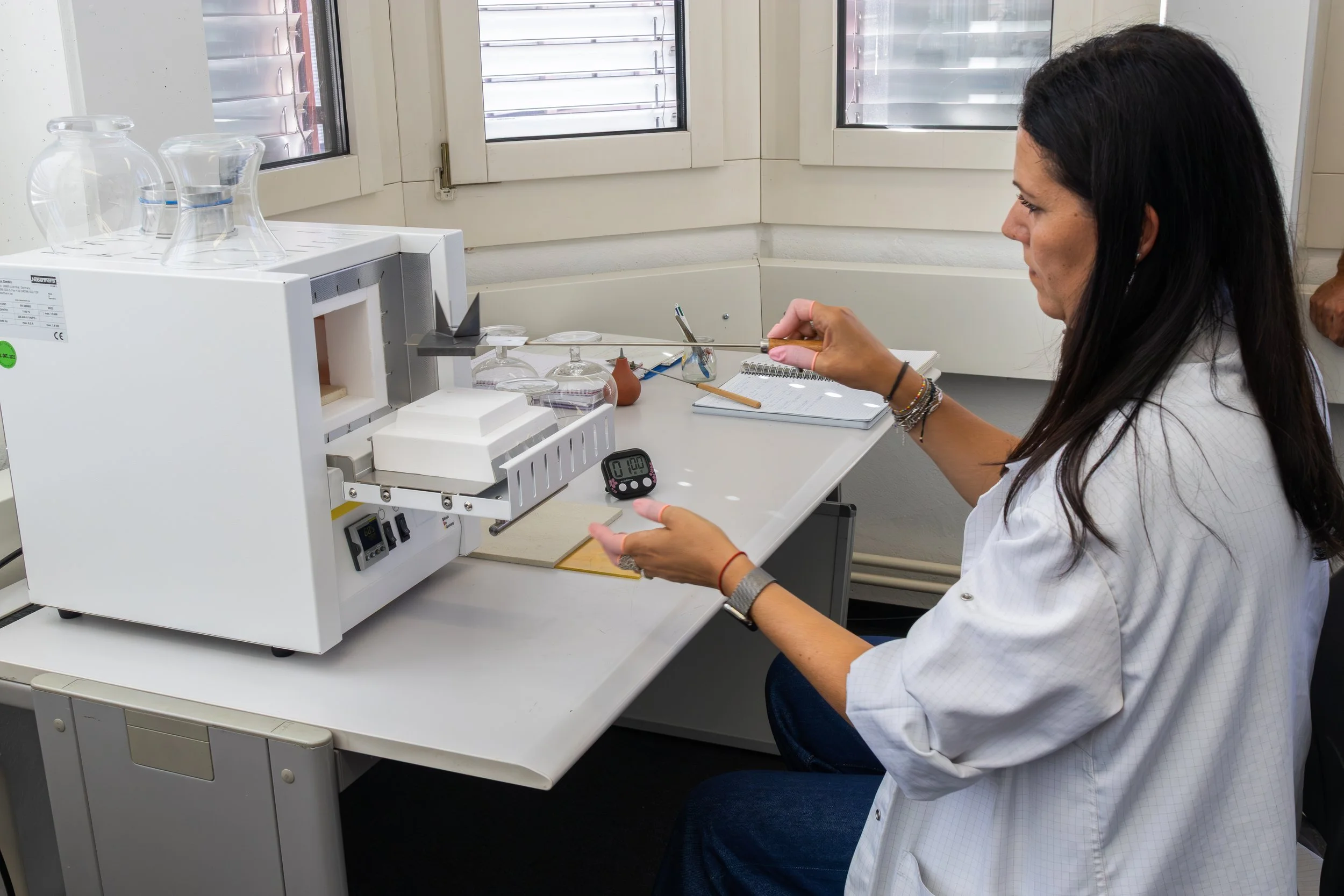
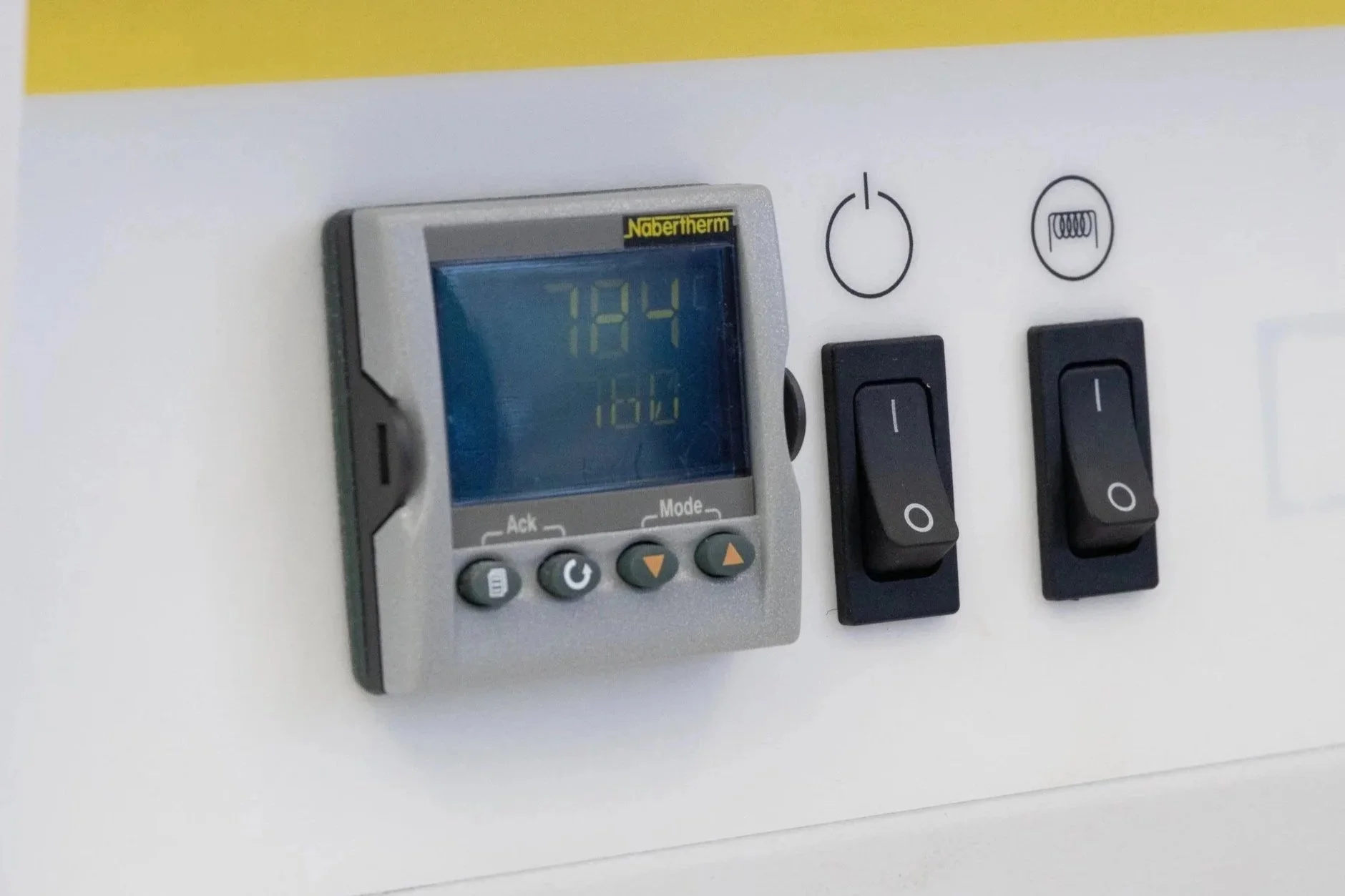
Literally meaning "great fire" in French, grand feu involves applying successive layers of vitreous enamel powder and firing them repeatedly at approximately 800°C. Each layer is left to cool before the next firing. Typically, a minimum of 12 layers are needed to achieve the rich, deep hues seen on HAUTE-RIVE watch dials.
This firing technique carries a high failure rate, as cracks and air bubbles often occur. Different types of vitreous enamel have distinct properties and require unique firing temperatures, and their final colours can differ drastically from their original appearance. For this reason, only seasoned master enamelists can reliably produce the intended results.
Polishing
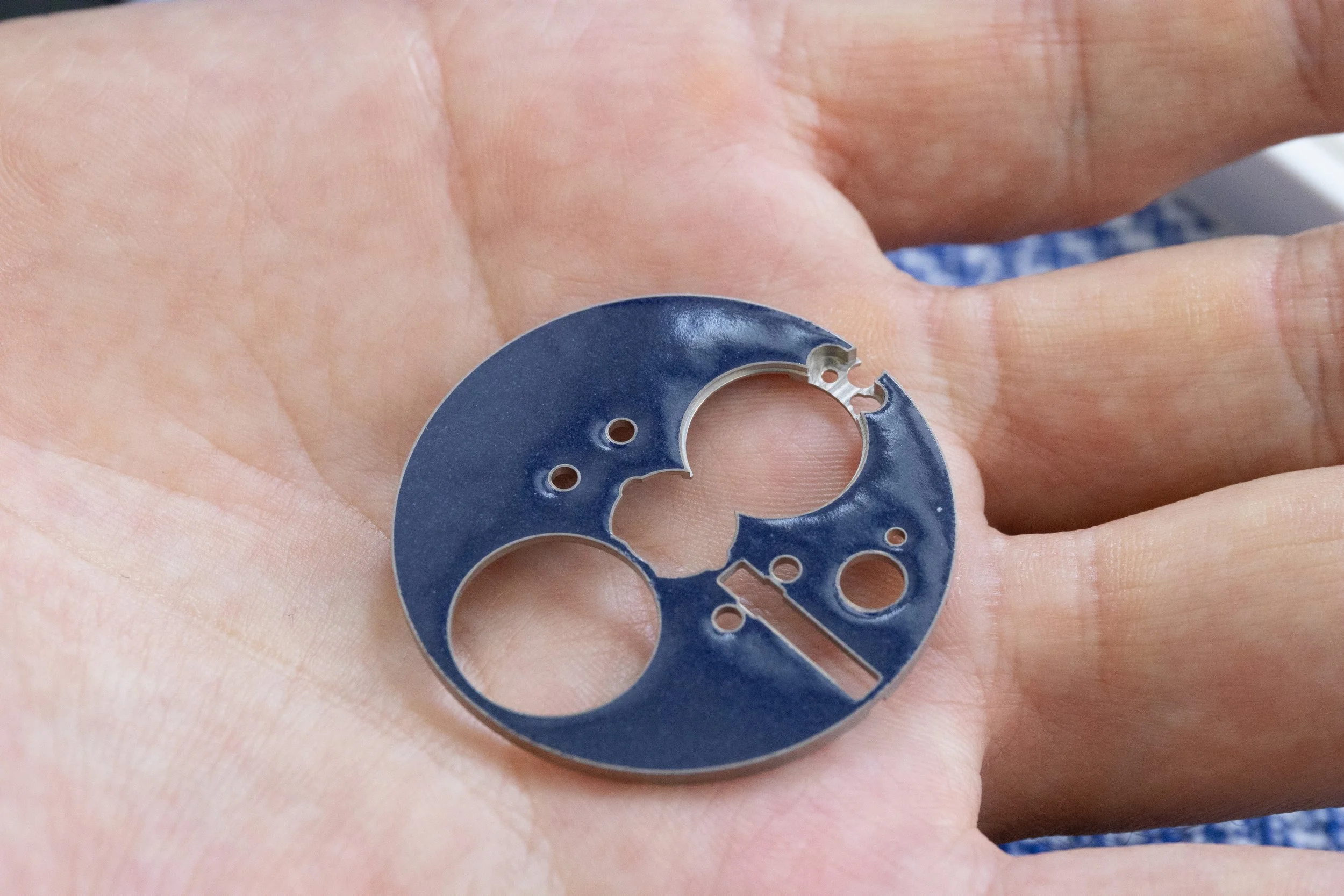
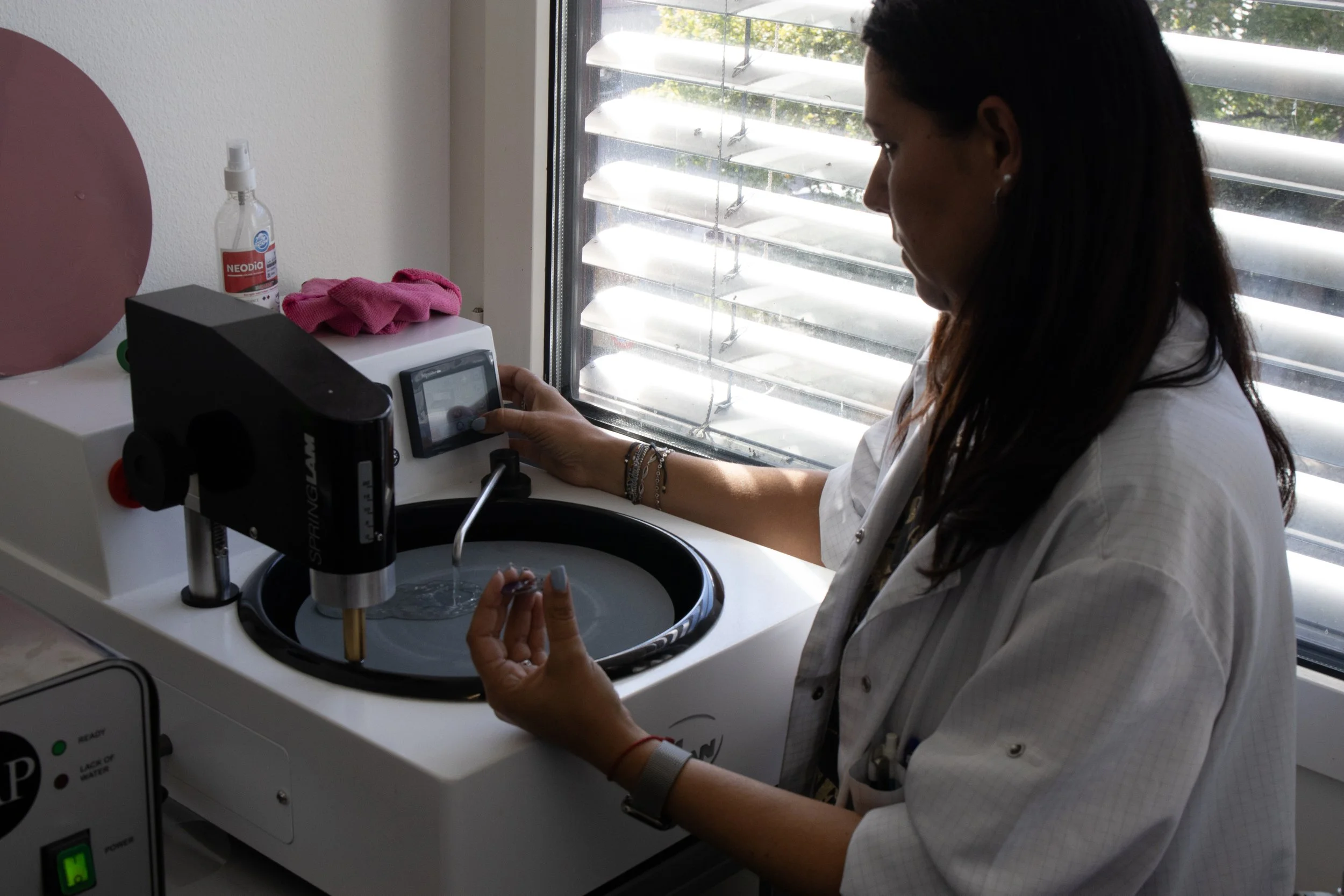
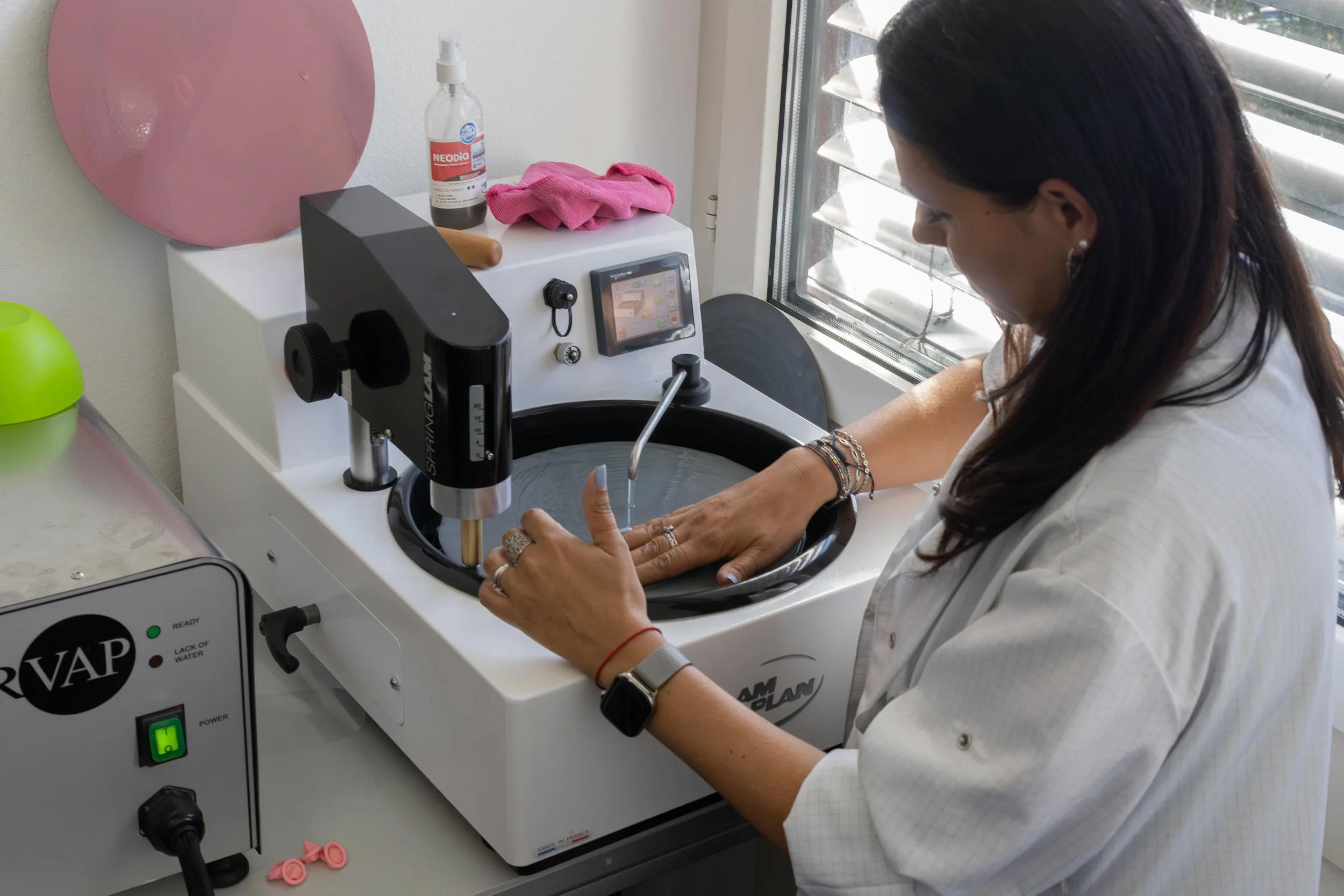
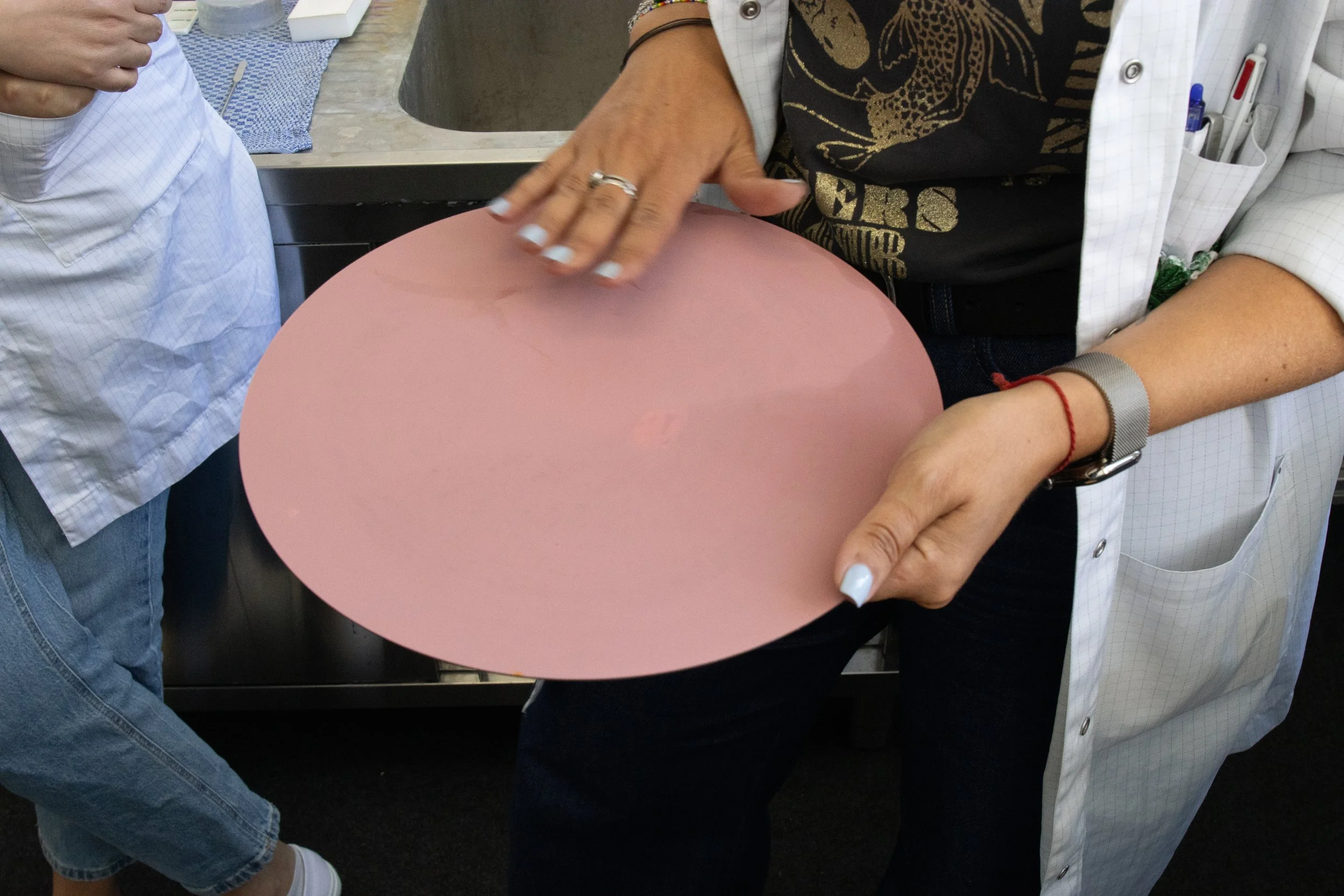
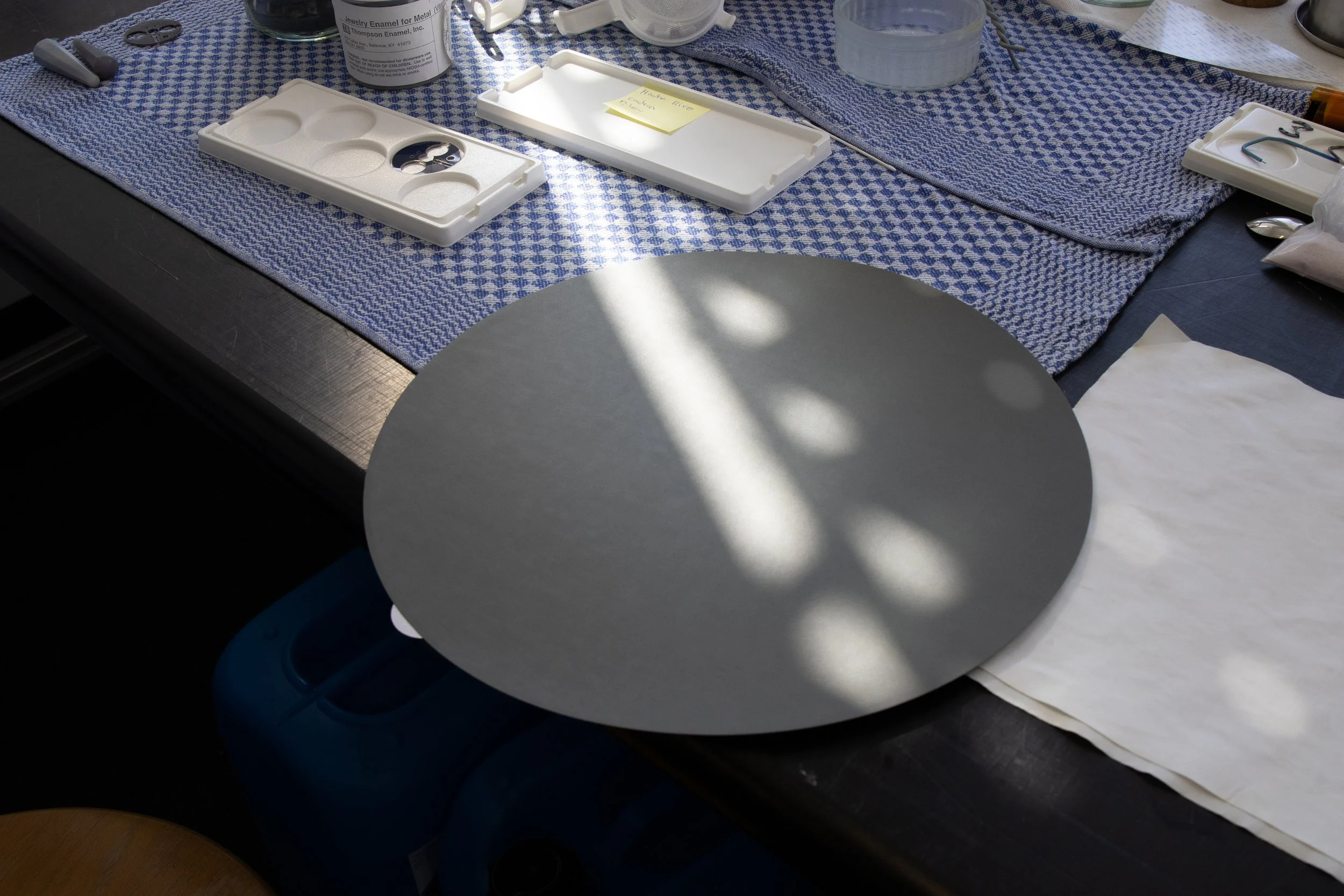
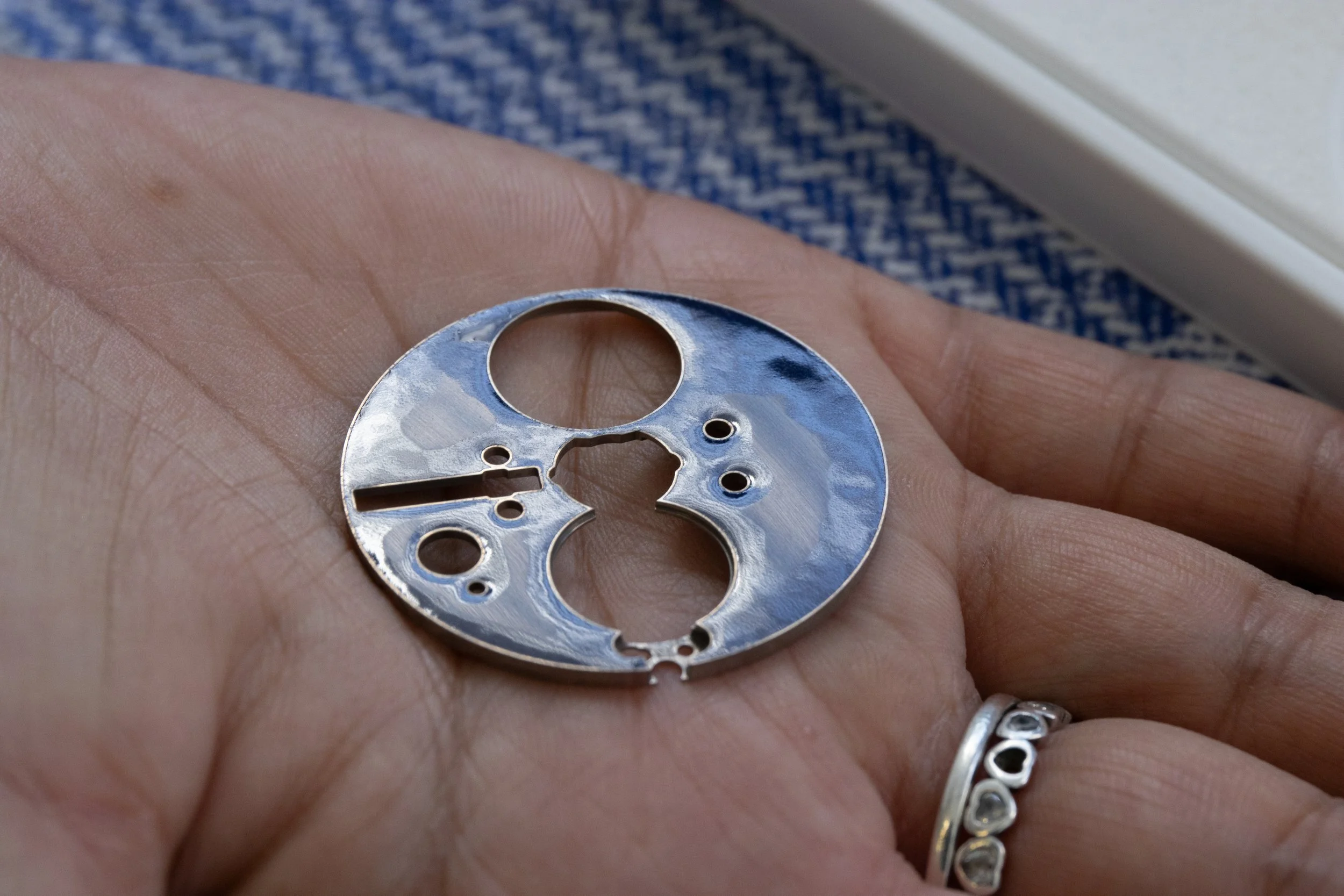
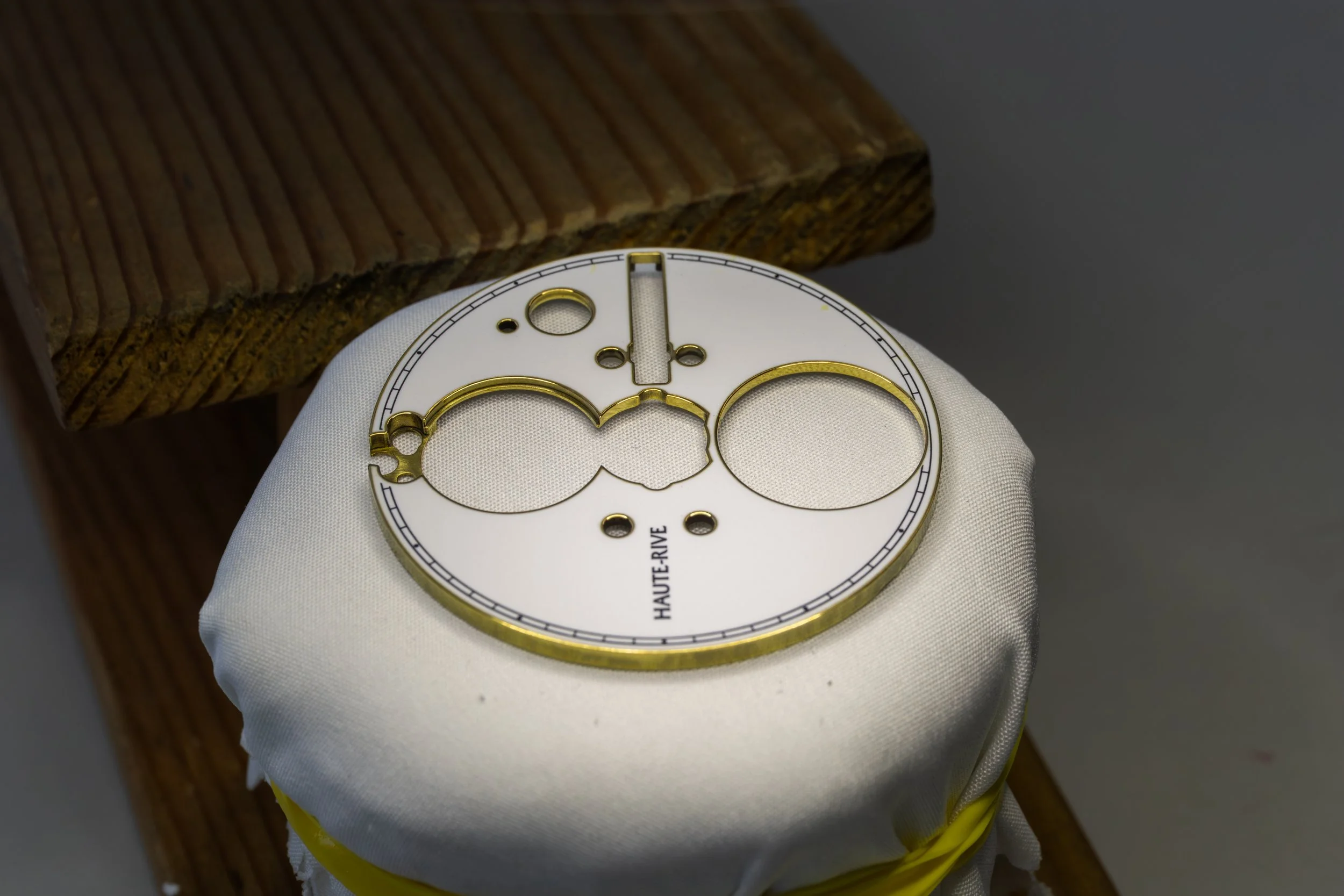
Just as the firing process is labor-intensive, the uneven surface straight from the kiln requires hours of hand polishing with a range of abrasives to achieve a flawless mirror finish.
Here great care must be taken to maintain consistent, gentle pressure. Uneven force will leave the dial with irregular thickness, resulting in an inconsistent surface.
As enamel boasts an exceptional hardness, as seen in the image above, only a small portion of the dial surface is worked even after ten minutes of polishing. Finer abrasives are then required for subsequent finishing, making polishing one of the most time-consuming stages of the production of HAUTE-RIVE watch dials.
The Results
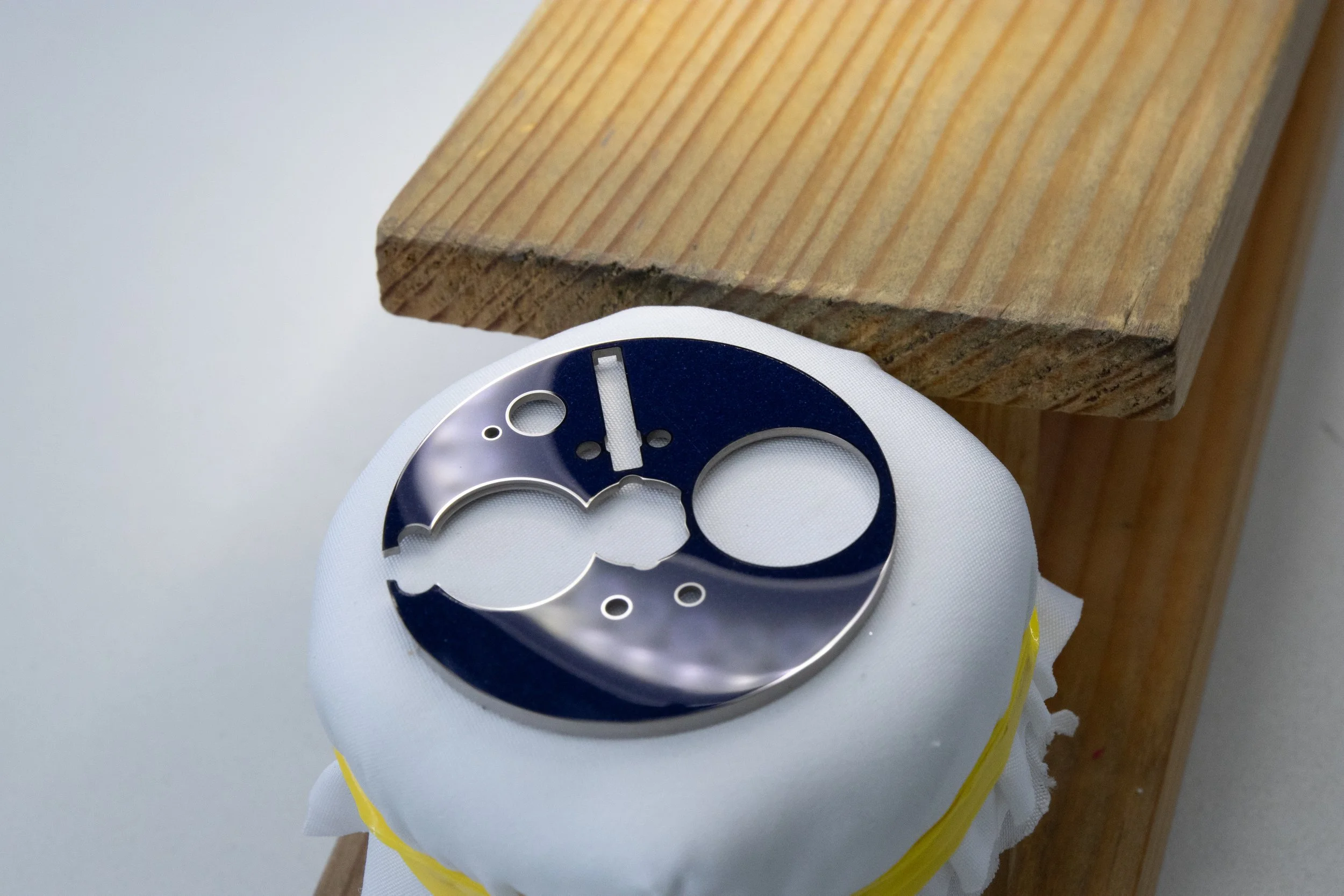
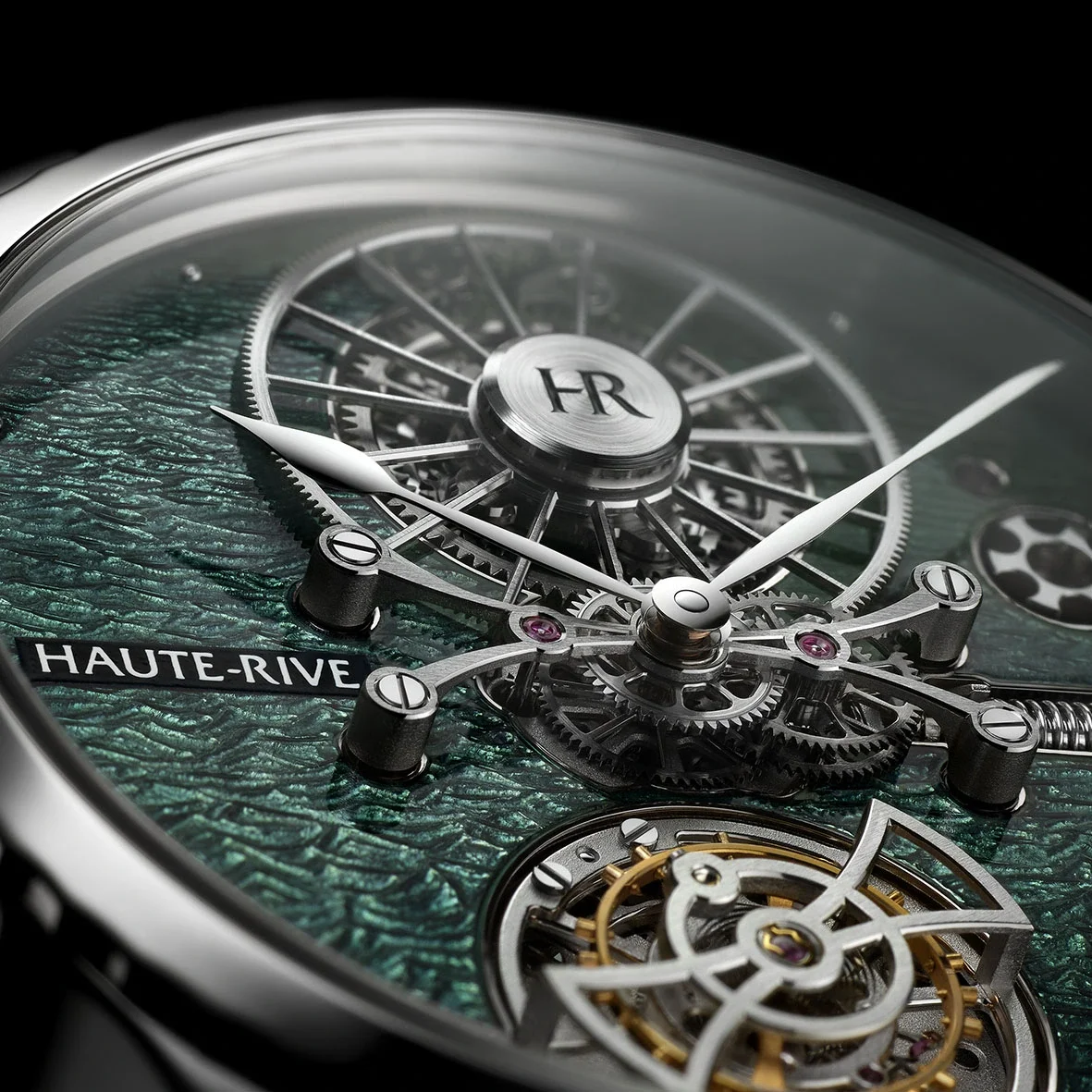
After hours of meticulous hand polishing, the enamel layer emerges exceptionally hard, brilliantly glossy, chemically stable and entirely fadeless. Crafted to endure the test of time, this exquisite finish stays pristine across decades, a timeless hallmark that lets every HAUTE-RIVE mechanical watch retain its original beauty for generations to come.
HAUTE-RIVE Behind The Bench
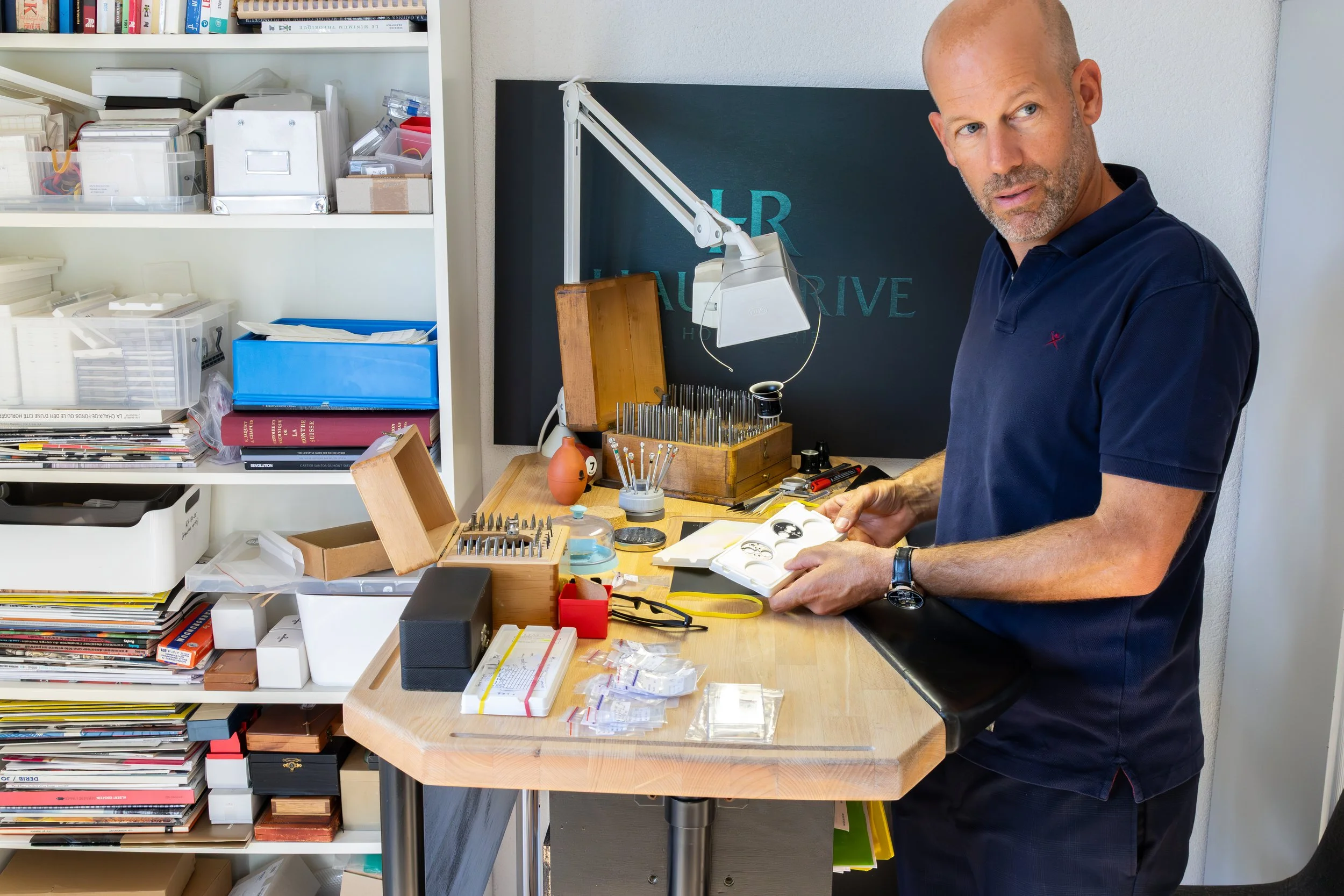
With the dials completed, they are brought back to the workshop of Stéphane, pending for the assembly with the remaining parts of the watch. Stéphane and his cousin who shares the same ancestry from Irénée Aubry do all the watchmaking, movement decorations, hand-finishing, time adjustments, final assembly and quality control by themselves.
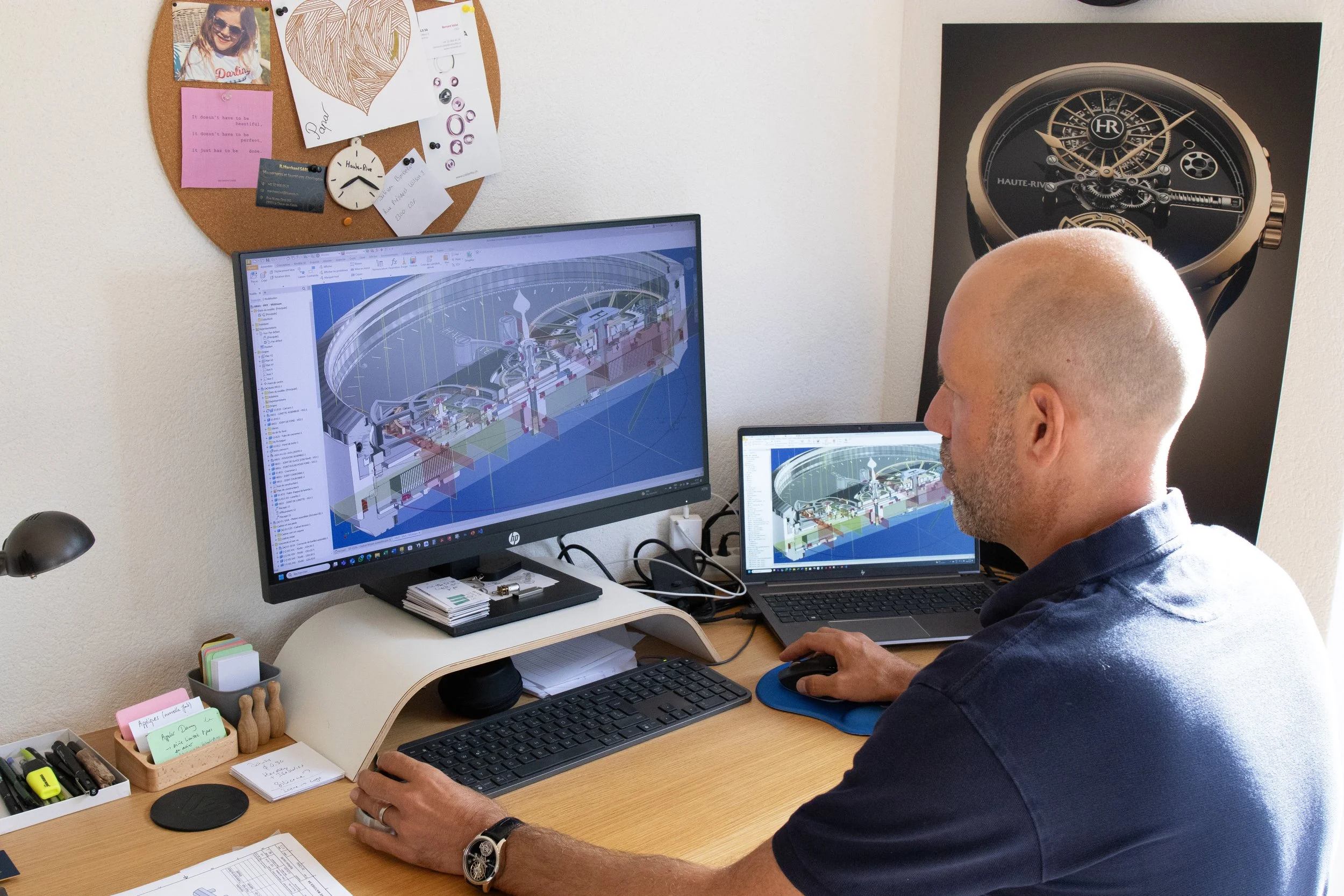
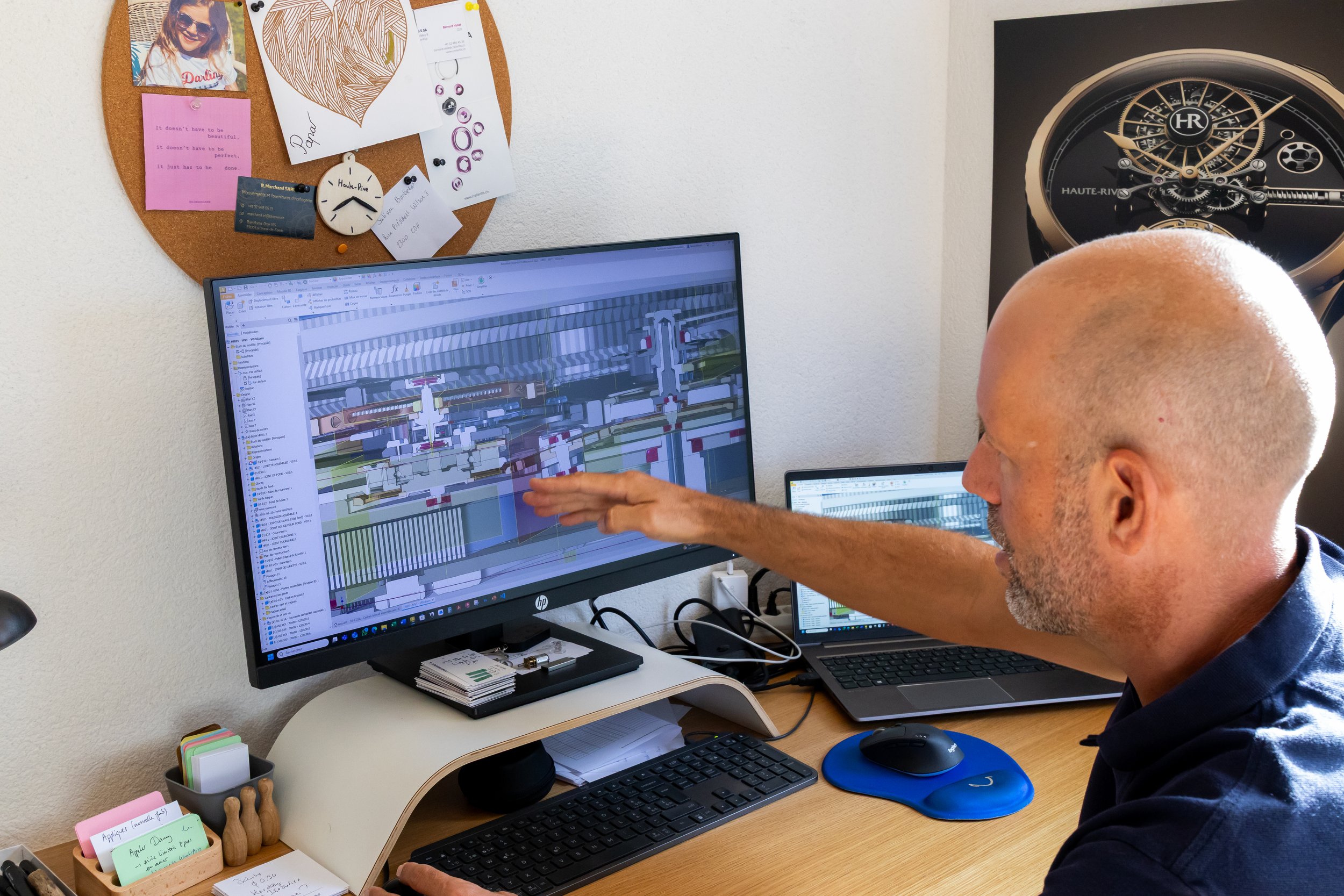
Stéphane is also the creative and technical mastermind behind HAUTE-RIVE Watches. It was in this room that the concept for a watch boasting an ultra-long 1,000-hour power reserve with a comfortably wearable 42mm case diameter was born.
Here he walked us through 3D renderings, explaining how a subtly angled gear positioned between the gear train and tourbillon cage brings the total thickness of this highly complex timepiece down to under 12mm.
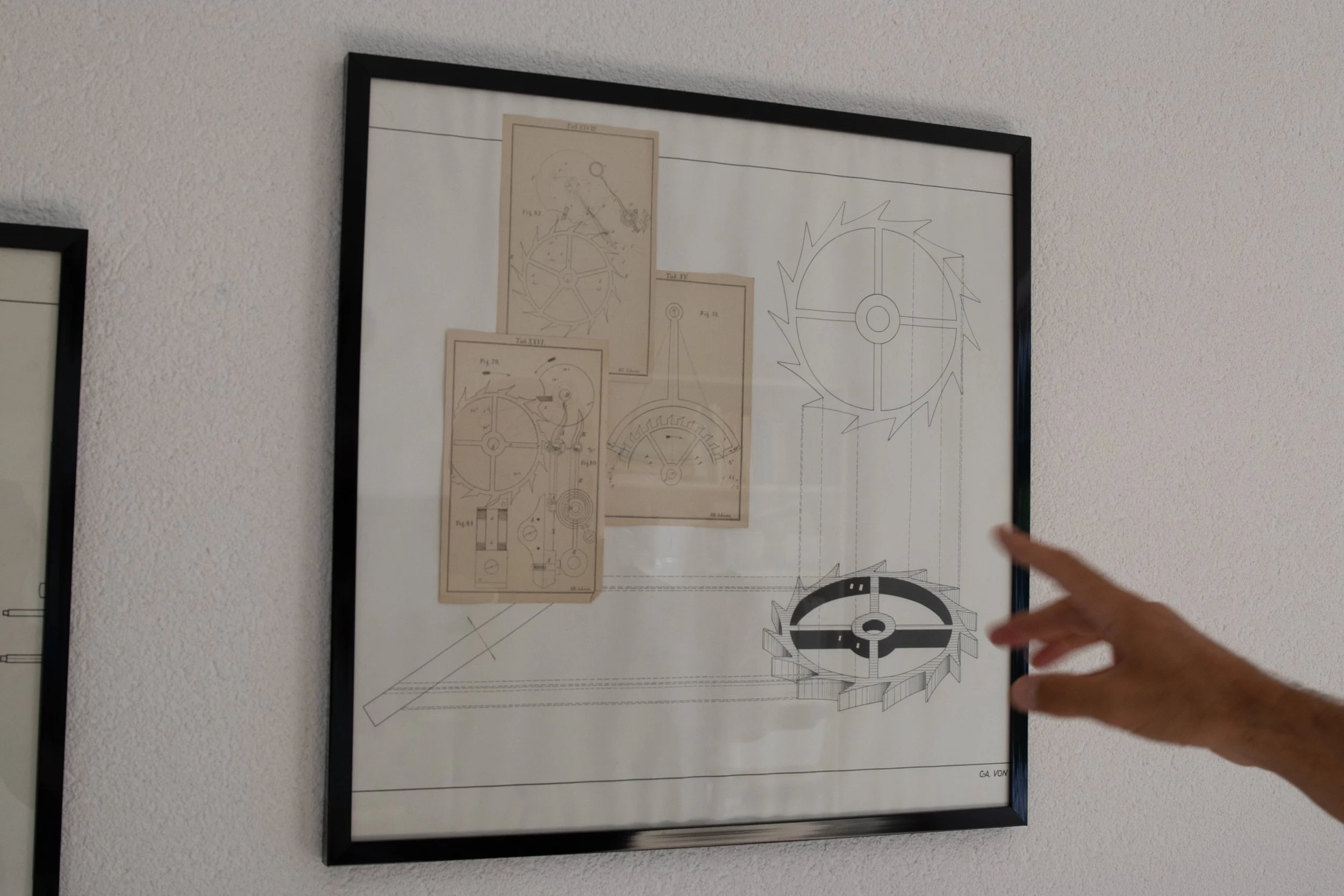
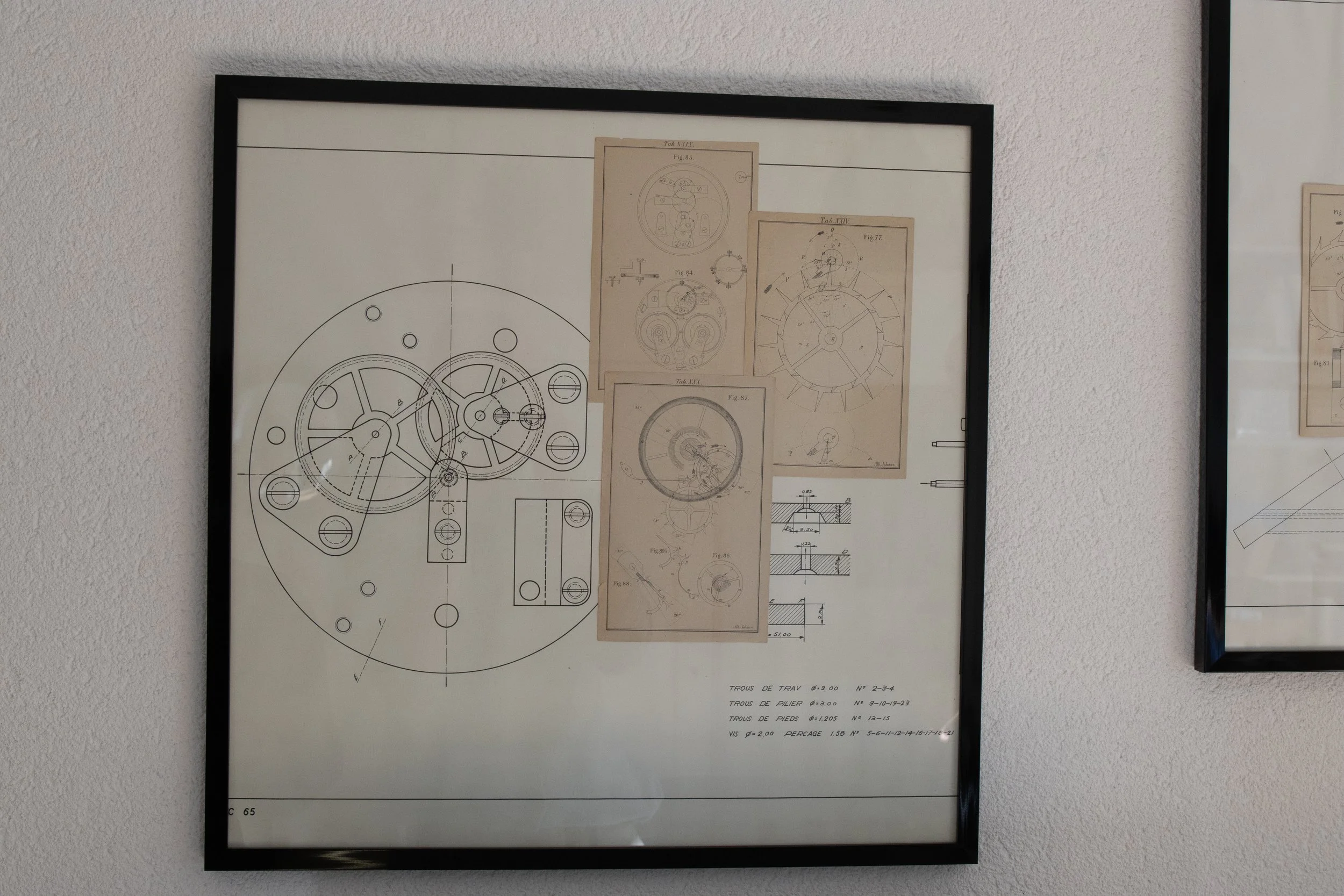
Hanging on the wall are original sketches crafted by his great-great-grandfather, Irénée Aubry, a constant reminder of his family’s legacy of innovative watchmaking.
With Sincere Gratitude
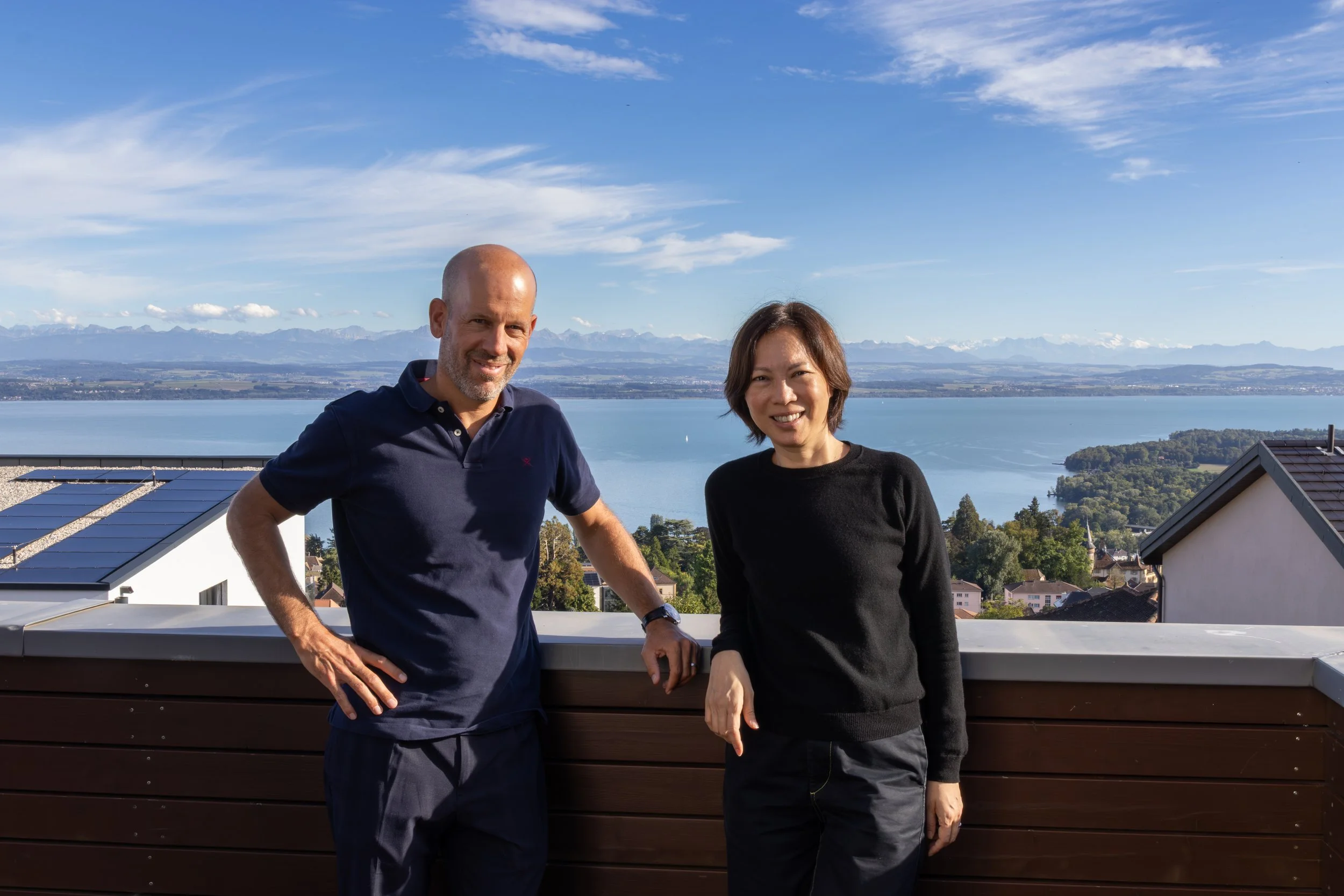
Thank you once again, Stéphane, for walking us through the making of the HAUTE-RIVE Honoris, and especially the limited Honoris Lagoverde.
The Lagoverde is a tribute to Lake Neuchâtel, the brand’s origin that has fuelled creative inspiration across five generations of his family’s horology legacy.